
Australia's Generic Market: PBS Overview and Impact on Drug Costs
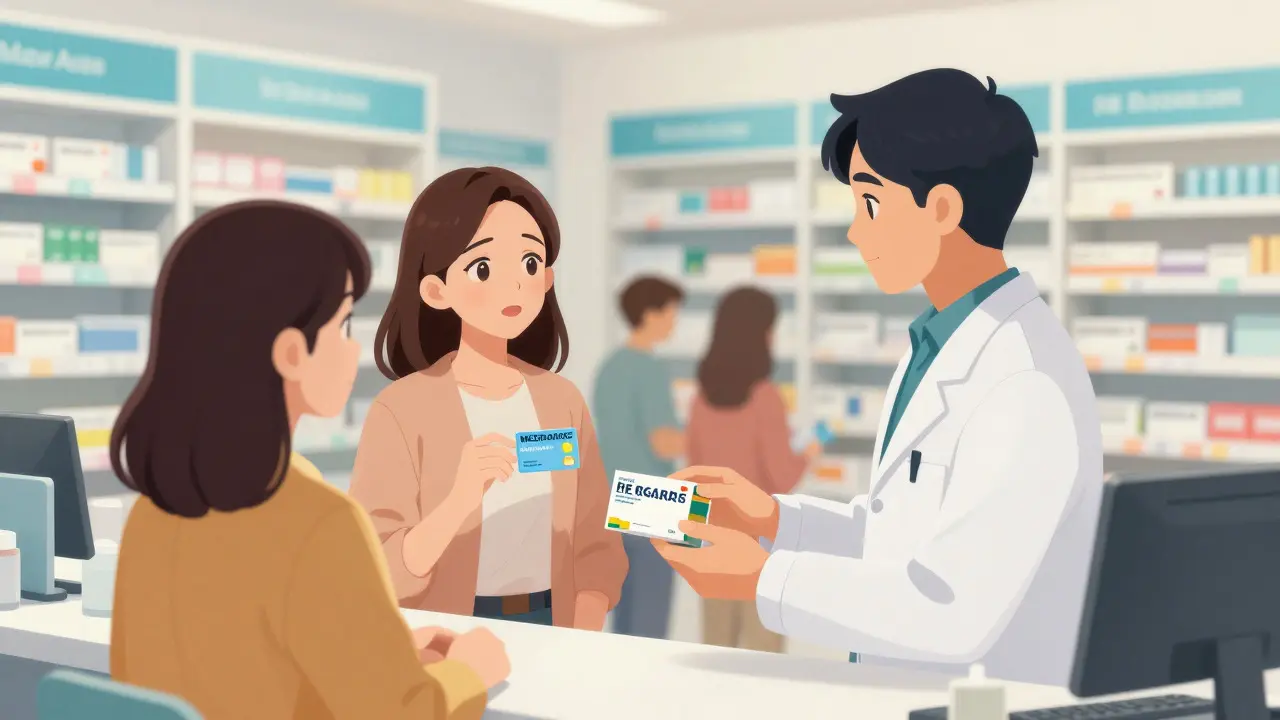
Walking into a pharmacy in Sydney or Melbourne, you might notice that the price tag on your prescription looks surprisingly familiar compared to what you'd pay back home. That’s not an accident. It’s the Pharmaceutical Benefits Scheme, or PBS, at work. This government-funded program is the backbone of how Australians access affordable medication, subsidizing roughly 90% of the cost for over 5,400 listed drugs. For anyone navigating the Australian healthcare system, understanding how the PBS interacts with the generic market is key to figuring out why some pills are cheap while others remain pricey.
The core promise here is simple: universal access. If you hold a Medicare card, you’re covered. But the mechanics behind that coverage involve complex negotiations, strict pricing rules, and a dynamic battle between originator brands and their cheaper counterparts. Let’s break down how this system actually functions, where it shines, and where it still leaves patients scratching their heads.
How the PBS Subsidizes Your Prescription
At its heart, the PBS is a partnership between the government, manufacturers, and patients. The Department of Health and Aged Care administers the scheme, ensuring that essential medicines stay within reach. As of 2023-24, the total expenditure hit $13.5 billion, which sounds like a lot until you realize it represents just 1.1% of Australia’s GDP. In exchange for this subsidy, patients pay a co-payment. Currently, that’s $7.70 for concession card holders and $31.60 for general patients, though these figures are indexed to inflation annually. Starting January 1, 2026, the general co-payment will drop to $25.00 due to recent legislative changes, offering a small but welcome relief for those without concession status.
Not all prescriptions are created equal, though. The scheme categorizes listings into three main buckets:
- General Benefits: Available to anyone with a valid Medicare card. These are the bread and butter of the PBS, covering common conditions like hypertension and diabetes.
- Restricted Benefits: About 42% of all listings fall here. You can only get subsidized if you have a specific diagnosis or meet certain clinical criteria.
- Authority Required: Making up 28% of listings, these require prior approval from Medicare Australia. Think high-cost biologics or specialized cancer treatments. This step adds administrative weight but ensures funds go to those who truly need them.
This tiered approach helps control costs while maintaining broad access. It also sets the stage for how generics enter the mix. When a brand-name drug loses patent protection, the PBS doesn’t just let prices float; it actively encourages competition through its reference pricing system.
The Role of Generics in Driving Down Prices
If you’ve ever wondered why switching from a brand-name statin to a generic one saves you money, the answer lies in the PBS’s Reference Pricing System. Introduced in 2007, this mechanism groups therapeutically similar medicines together. The government calculates the subsidy based on the lowest-priced medicine in that group. So, if a generic enters the market at a lower price than the originator, the subsidy adjusts downward, effectively forcing the brand-name manufacturer to either cut prices or lose market share.
The results are tangible. In 2024, the Australian generic market reached AU$6.2 billion, accounting for 46% of total PBS expenditure. By volume, generics capture 84% of off-patent prescriptions, significantly higher than the OECD average of 78%. However, by value, they represent only 22%, highlighting the massive price gap between original and copycat drugs. Major players like Symbion, Sigma, Mylan, Aspen, and Hospira dominate this space, controlling nearly 68% of the market share according to recent industry analyses.
Price drops don’t happen overnight, but they are steep once competition kicks in. On average, a generic medicine’s price falls by 62% within 12 months of multiple generic entries. The cardiovascular and central nervous system categories see the steepest declines, with reductions of 74% and 68% respectively. For chronic disease management, this is a game-changer. Ninety-eight percent of hypertension medications and 95% of diabetes medications are available as generics on the PBS, making long-term treatment manageable for most households.
Navigating the Bureaucracy: PBAC and Approval Delays
Getting a new medicine onto the PBS isn’t a walk in the park. The Pharmaceutical Benefits Advisory Committee, or PBAC, acts as the gatekeeper. Established under the National Health Act, this committee evaluates every application based on clinical effectiveness, comparative cost-effectiveness, and budget impact. They use a quality-adjusted life year (QALY) threshold, generally hovering around AU$50,000, as a benchmark. While not a hard cutoff, it provides a clear signal for what constitutes “worthwhile” spending.
Here’s where frustration often builds. The median time from global launch to PBS listing is 587 days. Compare that to Germany’s 320 days or Canada’s 410 days, and the delay becomes glaring. This “PBS black hole” means patients may wait over a year after a drug is approved by the Therapeutic Goods Administration (TGA) before it becomes subsidized. During this gap, out-of-pocket costs can average $1,850 per patient. For rare diseases, the situation is even more nuanced. The Highly Specialised Drugs Program (HSDP) manages these cases, applying eight specific criteria including disease severity and life expectancy impact. Recent reforms in late 2025 have relaxed two of these criteria, aiming to ease access barriers for ultra-orphan drugs.
Patient Experiences: Wins and Struggles
Numbers tell one story, but patient experiences tell another. For many, the PBS is a lifeline. The safety net, which caps annual out-of-pocket costs, has been described by nurses and doctors as crucial for chronic illness patients. Once you hit the threshold, medications become significantly more affordable, reducing the financial strain on families managing multiple conditions.
Yet, disparities persist. A 2024 National Health Survey revealed that 12.3% of general patients reported skipping doses or not filling prescriptions due to cost, compared to just 4.7% of concession card holders. Low-income households face tough choices, with 28% reporting reduced food expenditure to afford medicines. Online forums echo these sentiments, with self-funded retirees sharing stories of choosing between groceries and five daily medications. The complexity of authority-required listings also burdens prescribers, with 43% of general practitioners citing administrative hurdles in a recent survey. Balancing efficiency with accessibility remains a constant challenge for policymakers.
Comparing Australia’s Model Globally
How does the PBS stack up against other systems? It offers a middle ground between the strictness of the UK’s NICE and the flexibility of the US market. NICE uses a rigid £20,000-£30,000 per QALY threshold, whereas the PBAC allows for exceptions, approving treatments exceeding AU$150,000 per QALY in exceptional cases. Compared to the US, Australian drug prices are significantly lower, with generics costing 30-40% less. However, they remain 15-20% more expensive than UK NHS prices. This positioning reflects Australia’s unique blend of negotiated pricing and competitive generic substitution.
| Feature | Australia (PBS) | UK (NHS/NICE) | Canada (PMPRB) |
|---|---|---|---|
| Cost-Effectiveness Threshold | ~AU$50,000/QALY (flexible) | £20,000-£30,000/QALY (strict) | Varies by province/national guidelines |
| Generic Penetration (Volume) | 84% | High (varies by region) | Moderate-High |
| Avg. Time to Listing | 587 days | ~400 days | 410 days |
| Patient Co-payment Trend | Decreasing (to $25 in 2026) | Generally low/free | Variable by insurance/province |
Future Outlook: Digitalization and Cost Control
Looking ahead, the PBS is evolving. KPMG predicts expenditure will grow at 5.2% annually through 2030, reaching $18.7 billion by 2029-30. Drivers include increased uptake of high-cost biologics and expanded indications for existing drugs. To manage this, the Department of Health is pushing digitization. Real-time prescription monitoring and AI-driven utilization review aim to tackle the $1.2 billion in annual expenditure identified as potentially inappropriate. These tools promise to streamline approvals and reduce waste, making the system more responsive to both patient needs and fiscal realities.
For now, the PBS remains a cornerstone of Australian healthcare. It successfully balances affordability with access, leveraging generic competition to keep chronic care costs manageable. While delays and bureaucratic hurdles persist, the ongoing reforms suggest a trajectory toward greater efficiency. Whether you’re a patient managing a chronic condition or a prescriber navigating complex listings, understanding these dynamics helps you make informed decisions about your healthcare journey.
What is the current co-payment for PBS medicines in Australia?
As of mid-2025, the co-payment is $7.70 for concession card holders and $31.60 for general patients. Effective January 1, 2026, the general patient co-payment will reduce to $25.00.
How do generic medicines affect PBS pricing?
The PBS uses a Reference Pricing System where the subsidy is based on the lowest-priced medicine in a therapeutic group. When generics enter the market, they drive down the reference price, lowering the overall cost for patients and the government.
What is the 'PBS black hole'?
It refers to the period after a medicine is approved by the TGA but before it is listed on the PBS. During this time, patients must pay full out-of-pocket costs, which can average $1,850 per patient over the waiting period.
Who is eligible for the PBS?
Eligibility extends to all Australian residents with a current Medicare card and overseas visitors from countries with Reciprocal Health Care Agreements, such as New Zealand, the UK, and Ireland.
How does the PBS compare to the US healthcare system?
The PBS offers significantly lower drug prices than the US, with generics costing 30-40% less. Unlike the US, where insurance plays a major role, the PBS provides universal government-subsidized access with standardized co-payments.