
Common Myths About Medication Side Effects Debunked

Medication Myths vs. Facts Interactive
Stop meds if you feel side effects
"I should quit immediately if I feel any discomfort from my medication."
Most side effects are manageable
Only 10-20% experience side effects. Nausea can be reduced by 68% by taking drugs with food.
- • 56% chance of withdrawal symptoms
- • 3.2x increased cardiac event risk
- • Disease recurrence
Stop antibiotics when feeling better
"If my fever is gone, the infection is cured."
Full course needed to eradicate bacteria
Strongest bacteria survive early stopping. Need 7-14 days to eliminate 99.9% of pathogens.
- • 17% increased resistant infection risk
- • Contributes to superbugs
- • Recurrent infections
Statins cause severe muscle pain
"Everyone who takes statins gets debilitating muscle problems."
Less than 1% absolute risk increase
90% of patients who believed they had statin-induced issues could tolerate them in blinded trials.
- • Unprotected cardiovascular health
- • Higher heart attack risk
- • Nocebo effect causes symptoms
OTC painkillers are safe for all pain
"Since I can buy them without a prescription, they must be harmless."
Ineffective for severe pain; high toxicity risk
Provide inadequate relief for 68% of chronic pain patients. Acetaminophen causes 56,000 ER visits annually.
- • Liver damage (acetaminophen)
- • GI bleeding (ibuprofen)
- • Delayed proper treatment
Prescription drugs are safer than illicit drugs
"If it comes from a pharmacy, it can't be dangerous."
High addiction potential; deadly combinations
23% risk of opioid use disorder after 30 days. Mixing with alcohol increases mortality by 47%.
- • Opioid use disorder development
- • Overdose deaths (18,000 in 2022)
- • Severe organ damage
Side effects mean the drug isn't working
"If I'm experiencing side effects, the medication isn't effective for me."
Side effects don't indicate ineffectiveness
Most side effects fade as your body adjusts. Communication with providers improves adherence by 32%.
- • Premature discontinuation
- • Missed therapeutic benefits
- • Untreated underlying condition
You take a pill, feel a bit nauseous, and immediately throw the rest of the bottle in the trash. It’s a scenario that plays out millions of times a year. We’ve all heard stories about terrible reactions to drugs, often from friends or family members who swear they “can’t handle” certain medications. But here is the hard truth: most of what we believe about medication side effects is simply not true.
Misinformation about how drugs affect our bodies isn’t just annoying-it’s dangerous. When patients act on myths rather than medical facts, they stop taking life-saving treatments, develop resistant infections, and risk severe health complications. The World Health Organization found back in 2003 that only half of patients in developed countries actually stick to their long-term therapy plans for chronic illnesses. That number hasn’t improved much since then. By debunking these persistent myths, we can save lives and reduce unnecessary suffering.
The Danger of Stopping Medication Early
The single most harmful myth circulating today is the idea that if you experience negative side effects, you should stop taking your medication immediately. You might think this is common sense. After all, why keep taking something that makes you feel sick? However, data tells a different story. An analysis by AdhereTech in 2022 found that 37% of patients with chronic conditions self-discontinue treatment because they fear or experience side effects.
Here is the reality: between 10% and 20% of patients do experience side effects, according to FDA data from 2021. But for the vast majority, these issues are manageable. They don’t require quitting; they require adjusting. For example, nausea from certain antibiotics can be reduced by 68% simply by taking the drug with food. Yet, a 2021 survey published in JAMA Internal Medicine revealed that 42% of patients experiencing this specific side effect stopped their medication without talking to a doctor first.
The consequences of abrupt discontinuation can be severe. If you stop antidepressants suddenly, there is a 56% chance you will experience withdrawal symptoms, including dizziness, insomnia, and those unsettling "brain zaps" described in clinical literature. Similarly, heart attack survivors who quit beta-blockers within 90 days due to perceived side effects increase their risk of another cardiac event by 3.2 times. The solution isn’t to quit; it’s to call your provider. Most side effects fade as your body adjusts, or your doctor can switch you to an alternative formulation.
Why You Must Finish Your Antibiotics
Another pervasive belief is that you can stop taking antibiotics as soon as you feel better. This feels logical-if the fever is gone and the sore throat has healed, the job is done, right? Wrong. The Centers for Disease Control and Prevention (CDC) identifies this behavior as a primary driver of antibiotic resistance, a global health crisis affecting 2.8 million Americans annually and causing 35,000 deaths.
When you feel better, the strongest bacteria are still lingering in your system. Research published in the Proceedings of the National Academy of Sciences shows that stopping early allows these surviving bacteria to develop defense mechanisms against the drug. A meta-analysis in The Lancet Infectious Diseases found that a single premature discontinuation increases the likelihood of developing a resistant infection by 17%.
Despite clear guidance from infectious disease experts stating that symptom resolution does not equal bacterial eradication, a 2022 University of Utah survey found that 63% of Americans believe they can stop antibiotics when symptoms improve. Only 38% complete the full course as prescribed. To eliminate 99.9% of pathogens, most bacterial infections require 7 to 14 days of consistent treatment. Skipping doses or quitting early doesn’t just hurt you; it contributes to a pool of superbugs that threaten everyone’s health.
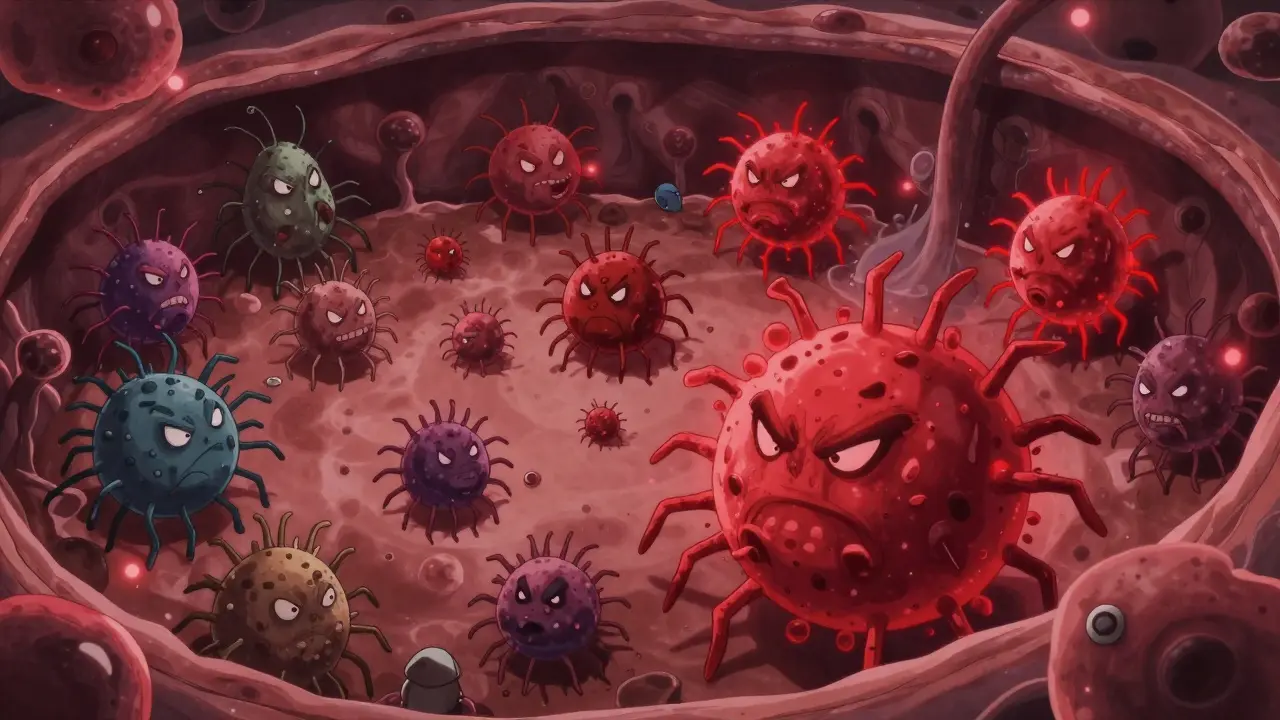
Statins and Muscle Pain: Fact vs. Fiction
If you have high cholesterol, you’ve likely heard horror stories about statins causing debilitating muscle pain. This fear is so widespread that it significantly impacts adherence rates. A 2021 study in the American Journal of Cardiology tracked nearly 39,000 patients and found that 74% discontinued statins within the first year, largely due to fear of muscle-related side effects.
However, rigorous clinical evidence paints a very different picture. The Cholesterol Treatment Trialists’ Collaboration analyzed data from 174,000 patients across 27 randomized trials. Their findings showed that only 0.9% more statin users than placebo users reported muscle symptoms. The absolute risk difference was less than 1%. Even more striking, a study in the New England Journal of Medicine revealed that 90% of patients who believed they had statin-induced muscle problems could actually tolerate the drug when tested in blinded challenge trials.
This suggests that the "nocebo effect"-where the expectation of a side effect causes the symptom-is playing a massive role. If you are concerned about muscle issues, ask your doctor about hydrophilic statins like pravastatin or rosuvastatin. These formulations penetrate muscle tissue 70% less than lipophilic statins, reducing adverse events by 32% according to a 2020 meta-analysis. Don’t let a myth keep you from protecting your heart.
Overselling Over-the-Counter Pain Relievers
Many people assume that over-the-counter (OTC) pain relievers are safe, effective alternatives to prescription medications for any level of pain. This misconception leads to dangerous under-treatment of chronic conditions and significant health risks from misuse. According to a 2022 analysis in the Journal of Pain Research, OTC medications like ibuprofen and acetaminophen provide inadequate relief for 68% of patients suffering from moderate to severe chronic pain.
The American Academy of Pain Medicine reports that 41% of chronic pain patients attempt self-management with OTC drugs before seeking professional help, delaying appropriate treatment by an average of 14.7 months. Meanwhile, the risks of long-term OTC use are substantial. Acetaminophen causes 56,000 emergency department visits annually in the US, with liver toxicity occurring at doses exceeding 4,000mg per day. Ibuprofen, when used beyond recommended limits, causes 10,000 hospitalizations each year for gastrointestinal bleeding.
Just because a drug is available without a prescription doesn’t mean it’s harmless. Treating serious pain with OTC options is like trying to put out a house fire with a water pistol. It delays real solutions while exposing you to hidden dangers.
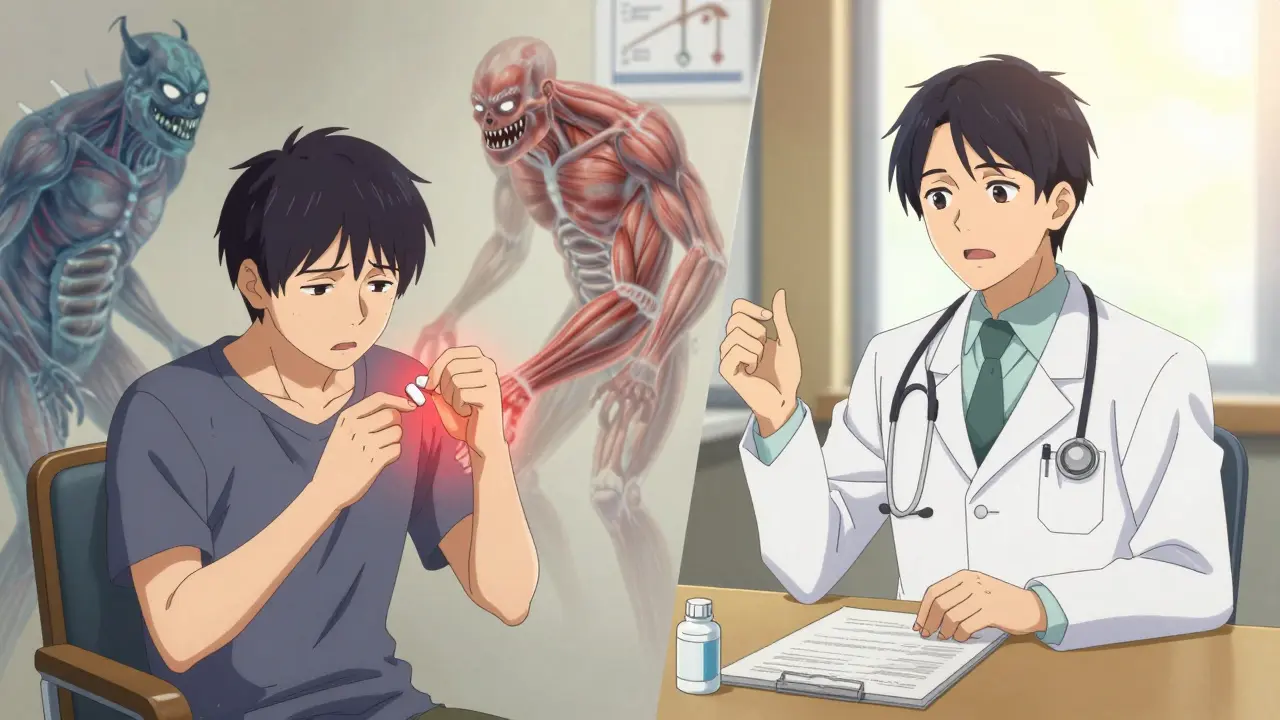
The Myth of Prescription Drug Safety
A particularly dangerous narrative is that prescription drugs are inherently safer than illicit substances. This belief fuels the opioid epidemic. The National Institute on Drug Abuse reported that 53% of new opioid misuse cases in 2022 began with prescription medications obtained from friends or family. In 2022 alone, prescription opioids were involved in 18,000 overdose deaths, with 30% of those cases involving individuals taking medications not prescribed to them.
The American Society of Addiction Medicine notes that prescription opioids carry a 23% risk of developing opioid use disorder after just 30 days of use. Furthermore, mixing prescription medications with alcohol increases mortality risk by 47%, according to a 2022 study in the Journal of Clinical Medicine. The combination of acetaminophen and alcohol, for instance, causes 450 annual liver failure deaths. Prescriptions are tools for specific medical needs, not recreational commodities. Treating them with casual disregard invites tragedy.
| Myth | Medical Fact | Risk of Believing the Myth |
|---|---|---|
| Stop meds if you feel side effects | Most side effects are manageable or temporary | Withdrawal symptoms, disease recurrence, increased mortality |
| Stop antibiotics when feeling better | Full course needed to eradicate bacteria | Antibiotic resistance, recurrent infection |
| Statins cause severe muscle pain | <1% absolute risk increase; 90% tolerate in trials | Unprotected cardiovascular health, higher heart attack risk |
| OTC painkillers are safe for all pain | Ineffective for severe pain; high organ toxicity risk | Liver damage, GI bleeding, delayed proper treatment |
| Prescription drugs are safer than illicit drugs | High addiction potential; deadly when mixed with alcohol | Opioid use disorder, overdose, death |
How to Manage Side Effects Effectively
So, what should you do instead of falling for these myths? The answer lies in communication and proactive management. The FDA recommends that providers use "teach-back" methods to ensure patients understand how to manage side effects. This approach has been shown to improve adherence by 32%. Pharmacists are also invaluable resources. Data from the American Pharmacists Association shows that medication therapy management consultations reduce side effect-related discontinuations by 41%.
If you experience discomfort, try simple adjustments first. Taking medication with food, changing the time of day you take it, or using visual medication schedules can help distinguish between actual side effects and normal disease symptoms. Apps and smart pill bottles, like those tested by AdhereTech, have demonstrated a 47% reduction in side effect-related discontinuations by providing automated alerts and tracking. Remember, your healthcare team wants you to succeed. Never discontinue a medication without consulting them first.
What should I do if I experience side effects from my medication?
Do not stop taking the medication abruptly. Contact your healthcare provider immediately. They may adjust the dose, change the timing of administration, suggest taking it with food, or switch you to an alternative medication. Most side effects are manageable and temporary.
Why is it important to finish the entire course of antibiotics?
Stopping antibiotics early allows the strongest bacteria to survive and multiply, leading to antibiotic-resistant infections. Even if you feel better, bacteria may still be present. Completing the full course ensures 99.9% of pathogens are eliminated, protecting both your health and public safety.
Do statins really cause muscle pain?
While muscle pain is a known side effect, it is far less common than many believe. Clinical trials show an absolute risk increase of less than 1%. Many patients who believe they have statin-induced myopathy can tolerate the drug in blinded trials. Hydrophilic statins like pravastatin may offer fewer muscle-related issues.
Are over-the-counter pain relievers safe for long-term use?
No, long-term use of OTC pain relievers like acetaminophen and ibuprofen carries significant risks, including liver toxicity and gastrointestinal bleeding. They are often ineffective for moderate to severe chronic pain and can delay necessary professional treatment.
Is it safe to mix prescription medications with alcohol?
Mixing prescription medications with alcohol is extremely dangerous. It increases mortality risk by 47% and can lead to severe organ damage, such as liver failure from acetaminophen-alcohol combinations. Always avoid alcohol unless explicitly cleared by your doctor.