
Drug Take-Back Programs in Your Community: How They Work and Where to Find Them
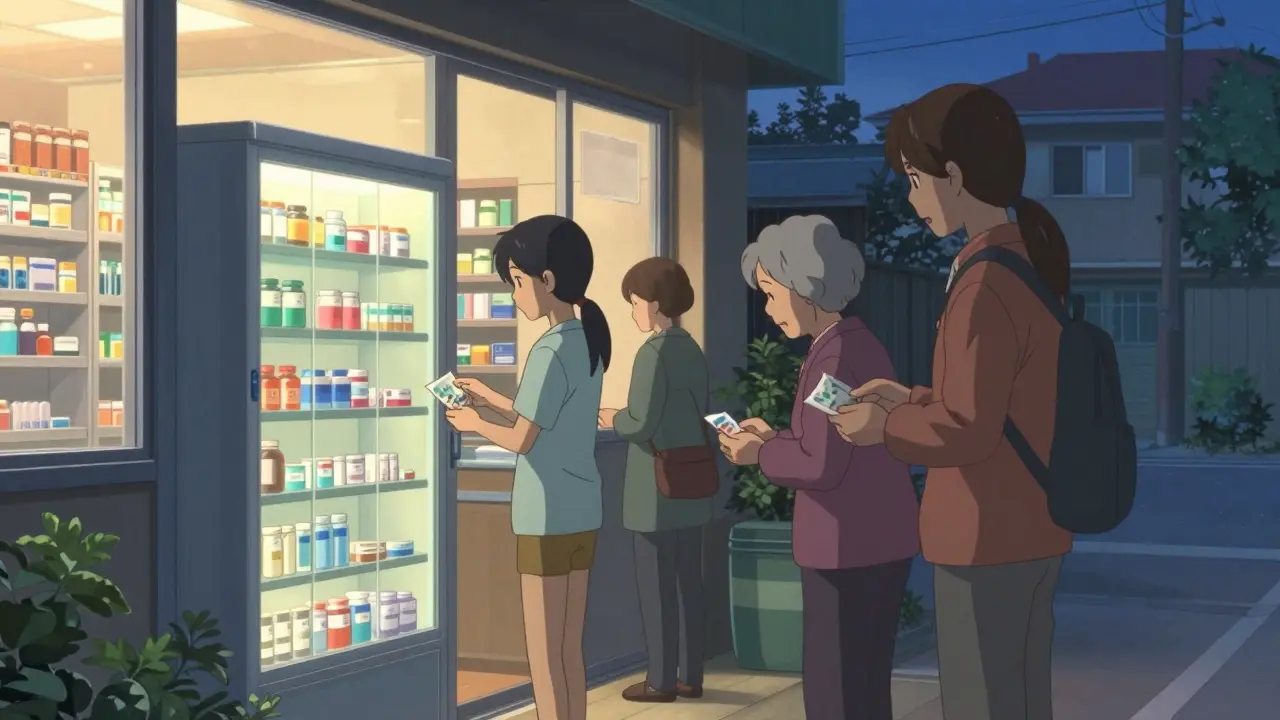
Every year, millions of unused or expired pills sit in bathroom cabinets, kitchen drawers, and medicine chests across the country. Many people don’t know what to do with them-so they keep them, flush them, or toss them in the trash. But here’s the truth: drug take-back programs are the safest, most responsible way to get rid of unwanted medications. And they’re closer than you think.
How Drug Take-Back Programs Actually Work
Drug take-back programs are designed to collect expired, unused, or unwanted prescription and over-the-counter medicines so they can be destroyed safely. These programs prevent pills from falling into the wrong hands-like teens raiding the medicine cabinet-or from poisoning wildlife and contaminating water supplies when flushed or thrown away.
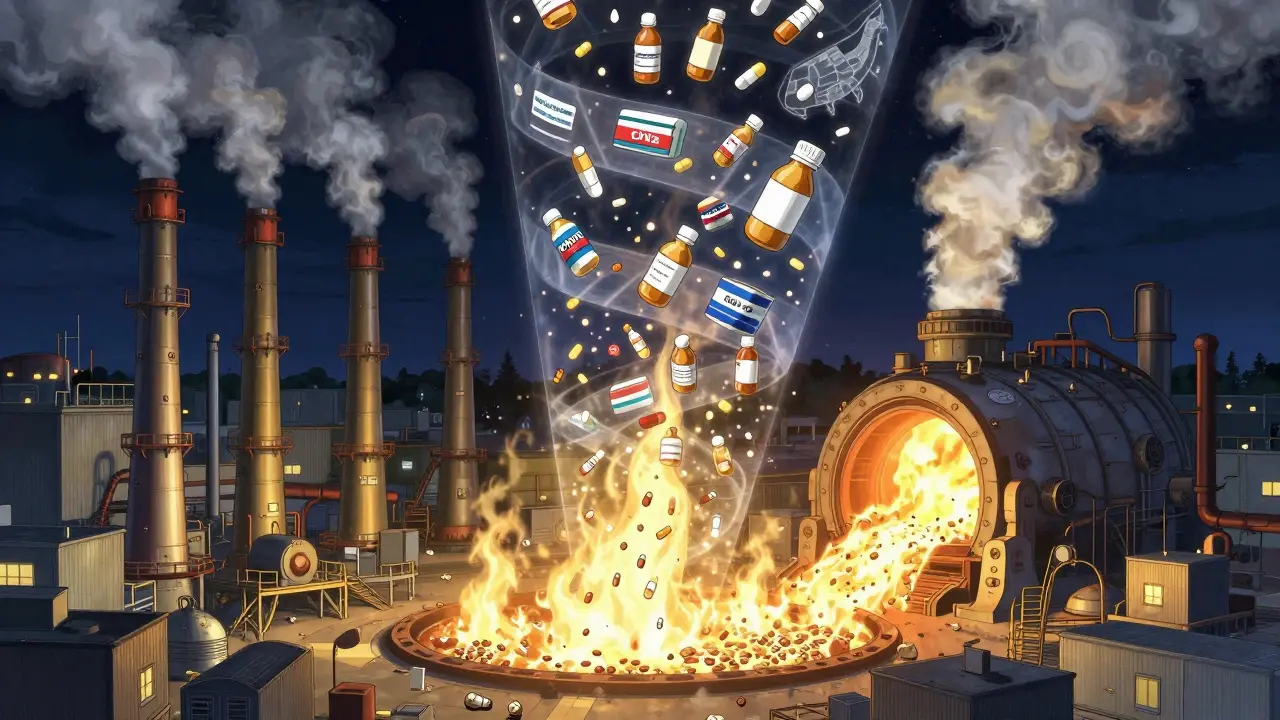
The system is simple. You bring your old meds to a drop-off location. That’s it. No questions asked. No ID needed. The medications are collected in secure, tamper-proof containers and then transported to licensed facilities where they’re incinerated under strict environmental controls. Nothing goes to landfills. Nothing enters waterways. Everything is tracked and destroyed legally.
These programs aren’t new. They were formalized by the Secure and Responsible Drug Disposal Act of 2010, which gave the DEA the power to set up permanent collection sites and organize nationwide events. Since then, over 19.8 million pounds of medications have been collected through these efforts.
Where to Drop Off Your Medications
You don’t need to wait for a special event. There are more than 16,500 permanent drop-off locations across the U.S. right now. Most are in pharmacies, hospitals, and police stations. Walgreens alone has over 1,600 in-store collection boxes in 49 states. CVS, Rite Aid, and other major chains also participate.
Police departments often have secure drop boxes too-usually near the front entrance or lobby. These are open year-round, not just during events. If you’re unsure where to go, the DEA’s website has a searchable map of all authorized locations. Just type in your zip code, and it shows you the nearest spots.
Some communities also run mobile collection units. In places like Broward County, Florida, these vans visit schools, community centers, and senior housing. They’ve increased participation by 73% compared to fixed drop boxes. If your town doesn’t have one, ask your local health department or pharmacist to start one.
What You Can and Can’t Drop Off
Not everything goes in the drop box. Here’s what’s accepted:
- Prescription pills and liquids
- Over-the-counter meds (pain relievers, cold medicine, etc.)
- Patch medications (like fentanyl or nicotine patches)
- Vitamins and supplements
- Pet medications
- Topical ointments and creams
Here’s what you should never bring:
- Asthma inhalers or other aerosols
- Thermometers (especially mercury ones)
- Hydrogen peroxide
- Iodine-based products
- Alcohol or syringes
- Illicit drugs like cocaine or heroin
Some people wonder about sharps-needles or lancets. Those go in a separate sharps container and should be taken to a pharmacy that handles medical waste. Don’t mix them with your pills.
How to Prepare Your Medications for Drop-Off
Before you head to a drop-off site, do this:
- Keep medications in their original bottles if possible. This helps staff identify what’s being collected.
- If the original bottle is gone, put the pills in a sealed plastic bag or container.
- Scratch out or cover your name and prescription details on the label. You don’t need to remove the label entirely-just make sure your personal info is unreadable.
- Don’t mix different types of pills in the same container. Keep them separated by type if you can.
Some places allow you to leave the cap on the bottle. Others ask you to remove it. If you’re not sure, call ahead. Most drop-off sites have signs with instructions posted right by the box.
Mail-Back Programs: A Convenient Alternative
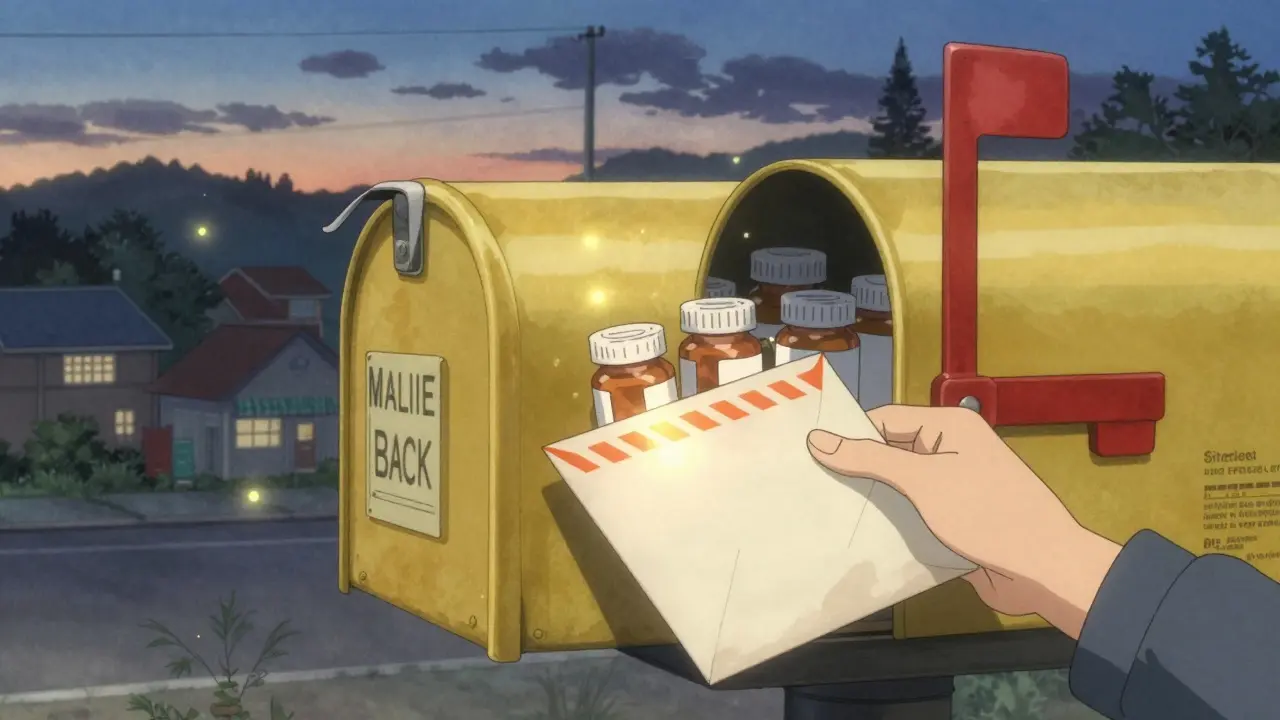
If you live in a rural area or can’t get to a drop-off location, mail-back programs are a solid option. You can buy prepaid envelopes at pharmacies or get them for free from some state programs or community health groups.
Here’s how it works:
- Fill the envelope with your old meds (in original containers or sealed bags).
- Seal it.
- Drop it in any mailbox.
The envelope goes straight to a DEA-approved facility for incineration. No tracking number needed. No postage required.
But here’s the catch: only 63% of rural communities have access to these envelopes. Urban areas are better served. And while they’re convenient, they’re not always free. Some programs charge $5-$10 per envelope. Check with your pharmacy or local health department to see if they offer them at no cost.
Why Take-Back Programs Are Better Than At-Home Disposal
You’ve probably heard the advice: crush pills, mix them with coffee grounds or kitty litter, and throw them in the trash. The FDA used to recommend this-but only as a last resort.
Why? Because it’s messy, unreliable, and still risky. Cats might dig through your trash. Kids might find it. And even when you think you’ve destroyed the pills, trace amounts can still leach into soil and water.
Flushing is even worse. While the FDA lists about 15 medications that should be flushed because they’re highly addictive and dangerous if misused (like fentanyl patches or oxycodone), that’s it. Everything else? Don’t flush it.
Drug take-back programs eliminate all these risks. They’re the only method approved by the EPA, FDA, and CDC as environmentally safe and public-health effective.
Why Some People Don’t Use These Programs
Here’s the problem: only 28% of Americans know that permanent drop-off sites exist. Most still think take-backs only happen once or twice a year during DEA events.
Another barrier? Fear. In communities where police stations are the only drop-off points, participation drops by 32%. People don’t want to be seen handing over pills near law enforcement-especially if they’re worried about stigma or legal trouble, even though these programs are completely anonymous.
Pharmacy-based drop boxes solve this. Participation jumps 41% when collection points are in pharmacies. No cops. No questions. Just a quiet box in the back of the store.
Language and cultural barriers also matter. In Texas and California, outreach materials in Spanish and other languages increased Hispanic participation by 39%. If your community doesn’t have multilingual signs or staff, ask for them.
What’s Changing in 2026
Take-back programs are growing fast. Since 2020, the number of permanent drop-off locations has more than tripled-from 5,000 to over 16,500. The DEA’s slogan now is “Every Day is Take Back Day.”
There’s also new legislation moving through Congress. H.R. 4278, introduced in 2023, would require Medicare Part D plans to cover the cost of mail-back envelopes for seniors. That could help 48 million older adults who can’t drive or leave home easily.
Some states are testing smart drop boxes-devices with sensors that alert pharmacies when a bin is full. Others are partnering with pharmacies to offer free disposal at checkout. And in military communities, the Department of Defense runs its own program for veterans and active-duty families.
Still, challenges remain. Rural areas have only 42% as many drop-off points as cities. And 57% of local programs say funding is their biggest problem. Each site costs about $18,500 a year to run. That’s why integrating them into existing pharmacies and clinics is the most sustainable path forward.
What You Can Do Right Now
You don’t need to wait for a national event. Here’s your action plan:
- Check the DEA’s website for the nearest drop-off location. Use your zip code.
- Call your local pharmacy. Ask if they have a permanent collection box.
- Look in your medicine cabinet. Gather all expired, unused, or unwanted pills.
- Remove your name from labels. Seal everything in a bag.
- Drop it off. No guilt. No shame. Just safety.
If you can’t find a location, ask your town council, public library, or health clinic to host one. It’s easier than you think. Many states offer grants to help fund drop boxes.
And if you’re helping an older relative or someone with mobility issues? Offer to take their meds to the drop-off point. A simple act like that can prevent a tragedy.
Why This Matters Beyond Your Medicine Cabinet
Every pill you drop off is one less chance for someone to misuse it. Every bottle collected is one less toxin in our rivers and soil. These programs don’t just clean up your home-they protect your neighbors, your kids, your environment.
Studies show communities with strong take-back programs see a 19% drop in teen prescription drug misuse within three years. They also see fewer accidental poisonings in children and seniors.
This isn’t just about disposal. It’s about prevention. It’s about community. And it’s something you can do today-right now-with five minutes and a sealed bag of old pills.
Can I drop off medications at any pharmacy?
Not every pharmacy participates, but most major chains like Walgreens, CVS, and Rite Aid do. Look for a secure drop box near the pharmacy counter or at the front of the store. If you’re unsure, call ahead or check the DEA’s online locator.
Do I need to bring my ID or prescription?
No. Drug take-back programs are completely anonymous. You don’t need to show ID, a prescription, or explain why you’re dropping off meds. Just bring the pills, remove your personal info from the label, and drop them in the box.
What if I live in a rural area with no drop-off sites?
Try a mail-back program. Many states and nonprofits offer free prepaid envelopes. You can also ask your local health department if they run mobile collection units that visit nearby towns. If nothing’s available, follow the FDA’s at-home disposal guidelines-but only as a last resort.
Can I dispose of liquid medications like cough syrup?
Yes. Liquid medications are accepted at most drop-off locations. Keep them in their original bottles, seal the cap tightly, and place them in a plastic bag to prevent leaks. Don’t pour them down the drain.
Are drug take-back programs really effective?
Yes. Since 2010, over 19.8 million pounds of medications have been collected and safely destroyed. Communities with permanent drop boxes see 25% higher participation than those relying only on one-day events. Studies also link these programs to a 17% drop in accidental poisonings and a 19% reduction in teen prescription drug misuse.
Vanessa Barber
January 23, 2026 AT 15:18Sallie Jane Barnes
January 25, 2026 AT 14:05Andrew Smirnykh
January 26, 2026 AT 00:17charley lopez
January 27, 2026 AT 03:08Kerry Evans
January 27, 2026 AT 13:53Susannah Green
January 28, 2026 AT 07:53Kerry Moore
January 29, 2026 AT 23:24Sue Stone
January 30, 2026 AT 18:57Anna Pryde-Smith
February 1, 2026 AT 03:38Oladeji Omobolaji
February 2, 2026 AT 12:18Janet King
February 2, 2026 AT 18:06Stacy Thomes
February 3, 2026 AT 10:19dana torgersen
February 3, 2026 AT 12:45Dawson Taylor
February 3, 2026 AT 23:32Laura Rice
February 5, 2026 AT 19:31