
FDA List of Authorized Generics: Where to Find Information
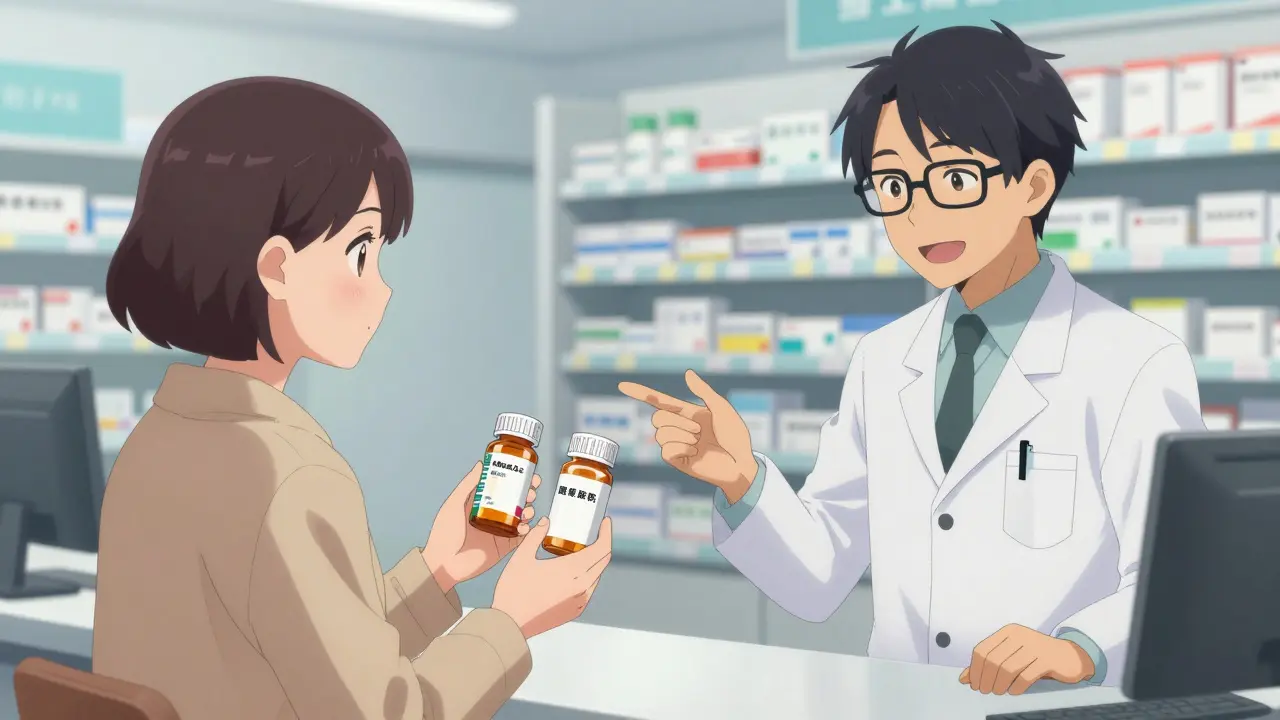
Have you ever noticed a medication at the pharmacy that looks exactly like your brand-name prescription but costs significantly less? It might be an authorized generic, which is the same as the brand-name drug but does not use the brand name on the label. In addition, an authorized generic version of a tablet or capsule may have a different color or marking. These drugs are identical in active ingredients to their brand-name counterparts but are sold under a different name by the original manufacturer. Understanding where to find information about them can help you save money and make informed healthcare decisions.
The U.S. Food and Drug Administration (FDA) maintains a specific list of these products. However, finding this list isn't as straightforward as looking up regular generic drugs. This guide explains exactly where to find the FDA's list of authorized generics, what information it contains, and how to use it effectively alongside other resources.
What Is the FDA List of Authorized Generics?
The FDA List of Authorized Generic Drugs is a public resource mandated by federal law. Specifically, Section 505(t) of the Federal Food, Drug, and Cosmetic Act requires the FDA to publish a complete list of all authorized generic drugs. This section was established by the Medicare Prescription Drug, Improvement, and Modernization Act of 2003 (MMA). The goal is to increase transparency in the pharmaceutical market.
Unlike traditional generic drugs, which are approved through an Abbreviated New Drug Application (ANDA), authorized generics are marketed under the brand-name drug's New Drug Application (NDA). This means they are not listed in the FDA's famous Orange Book, which is Approved Drug Products With Therapeutic Equivalence Evaluations. Instead, the authorized generics list tracks products that are essentially the brand-name drug sold without the brand label.
The list serves as the primary public resource for identifying these unique pharmaceutical products. It helps consumers, pharmacists, and healthcare providers identify lower-cost alternatives that are therapeutically equivalent to brand-name medications. By providing this information, the FDA aims to foster competition and potentially lower drug prices.
Where to Find the FDA List Online
Finding the current list is simple if you know where to look. The primary access point is the FDA's dedicated webpage for authorized generics. You can find it by navigating to the FDA's website and searching for "FDA List of Authorized Generic Drugs." The direct URL typically follows the structure: fda.gov/drugs/abbreviated-new-drug-application-anda/fda-list-authorized-generic-drugs.
On this page, you will find explanatory content about what authorized generics are, along with a link to download the current listing. As of the most recent update, the list is available as a PDF document. The file size is approximately 1.09 MB, making it easy to download and view on any device. The FDA updates this list quarterly to ensure it reflects the latest data submitted by manufacturers.
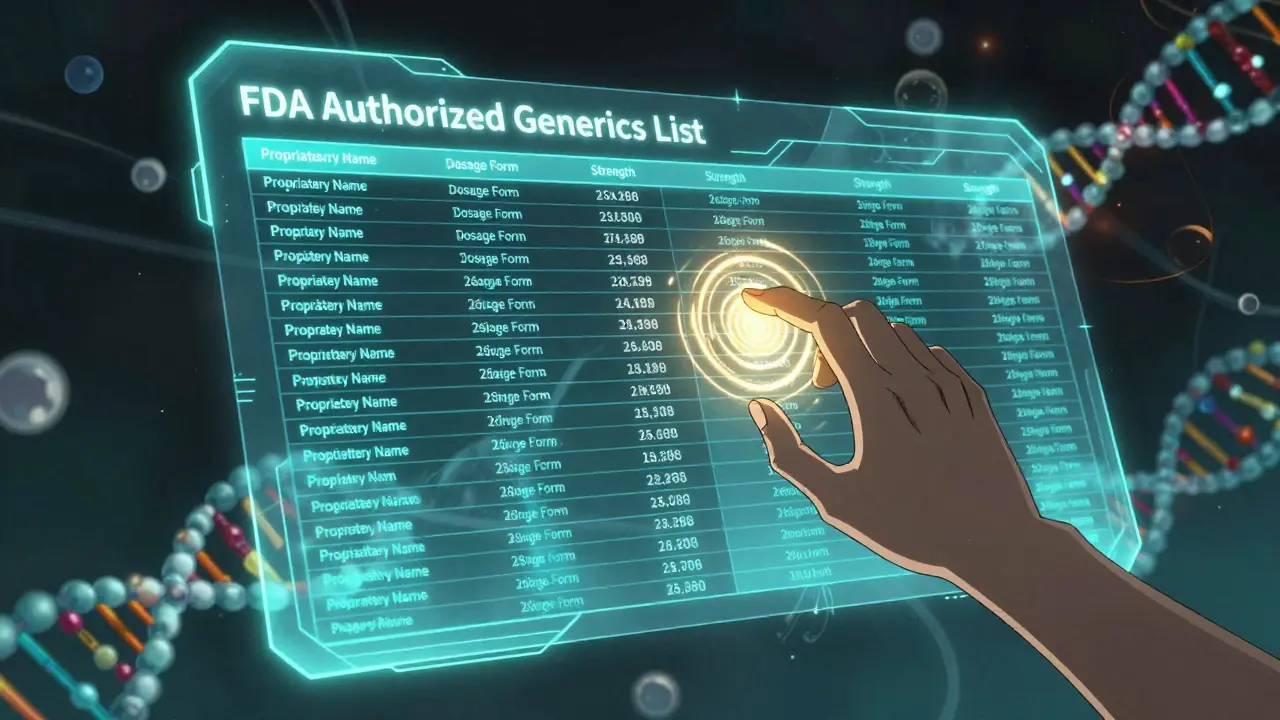
When you open the PDF, you'll see a table containing specific data elements for each entry. These include:
- Proprietary Name (Brand Name): The original brand name of the drug.
- Dosage Form: Whether it is a tablet, capsule, gel, etc.
- Strength: The dosage amount (e.g., 50 mg, 200 mcg).
- NDA Applicant Name (Manufacturer): The company that holds the New Drug Application.
- Date Authorized Generic Entered Market: The period when the drug was first reported as an authorized generic.
For example, the list includes entries like ACTIQ lozenges by Cephalon, LLC, and ARTHROTEC tablets by Pfizer Inc. Each entry provides the specific details needed to identify the product.
Understanding the Data Limitations
While the FDA list is valuable, it has important limitations that users must understand. The most critical point is that the list reflects reporting data, not real-time market conditions. The FDA explicitly states that it "does not have information on whether the AG is still marketed and, if not still marketed, the date marketing ceased."
This means a drug on the list might no longer be available. For instance, independent pharmacy owner Michael Rodriguez reported finding five out of eight products on the list that were not actually available from his wholesaler, despite recent market entry dates. Similarly, industry analysts note that some entries may appear discontinued based on sales data, even though they remain on the FDA list.
Another limitation concerns the "Date Authorized Generic Entered Market" column. This date reflects the annual report period in which the authorized generic was first reported, not necessarily the precise day it hit the shelves. Annual reports seldom indicate the exact launch date, so treat this figure as an approximation rather than a specific timeline.
Furthermore, the FDA acknowledges that there may be underreporting. According to the Federal Trade Commission (FTC), analysis suggests that 10-15% of authorized generics may not appear on the FDA list due to incomplete annual reporting by manufacturers. This gap highlights the importance of cross-referencing with other sources.
How Authorized Generics Differ from Traditional Generics
To fully utilize the FDA list, it helps to understand how authorized generics differ from traditional generic drugs. Traditional generics are approved through ANDAs and must demonstrate bioequivalence to the brand-name drug. They are listed in the Orange Book, which provides therapeutic equivalence ratings.
Authorized generics, on the other hand, are the same drug as the brand-name product. They do not go through the ANDA process because they are marketed under the existing NDA. Consequently, they are considered therapeutically equivalent by definition. This distinction matters because authorized generics are not subject to the 180-day marketing exclusivity period that applies to traditional first generics.
This regulatory difference allows brand companies to introduce authorized generics immediately when facing generic competition. A 2023 Health Affairs study by Fowler et al. noted that this strategic advantage explains the growth in authorized generic launches. During 2010-2019, 854 authorized generics launched in the U.S., compared to only 119 during 2001-2008. This trend shows how manufacturers use authorized generics to maintain market share.
| Feature | Authorized Generic | Traditional Generic |
|---|---|---|
| Approval Pathway | New Drug Application (NDA) | Abbreviated New Drug Application (ANDA) |
| Listed in Orange Book? | No | Yes |
| Therapeutic Equivalence | Same drug as brand | Bioequivalent to brand |
| 180-Day Exclusivity | Not applicable | Applies to first filers |
| Primary Source List | FDA Authorized Generics List | FDA Orange Book |

Verifying Availability and Pricing
Since the FDA list does not provide real-time availability or pricing, you need additional tools to verify if an authorized generic is currently on the market. The best practice is to cross-reference the FDA list with the National Drug Code (NDC) Directory. The NDC Directory, accessible via fda.gov/drugs/drug-approvals-and-databases/national-drug-code-directory, provides detailed information about drug packaging and labeling.
For practical purchasing decisions, commercial databases like IQVIA National Sales Perspectives offer more dynamic data. These platforms track actual sales and market presence, helping you determine if a drug is actively being distributed. Industry guidelines recommend pairing FDA list data with weekly NDC deactivation reports from major wholesalers to get a clear picture of market availability.
Pricing is another factor to consider. While authorized generics are often cheaper than brand-name drugs, they may not always be the lowest-cost option. Dr. Aaron S. Kesselheim, a Harvard Medical School professor, noted that authorized generics sometimes enter the market at prices only marginally lower than brand products. Therefore, comparing prices across multiple pharmacies and checking for traditional generic alternatives is wise.
Future Developments in Tracking Authorized Generics
The FDA is working to improve how it tracks and presents information about authorized generics. The October 10, 2025 update represents the most recent version of the list, but changes are on the horizon. The FDA has announced plans to transition to a dynamic, searchable database format by Q2 2026. This initiative responds to feedback from stakeholders who requested improved search functionality and real-time updates.
Future developments may also include integration with the FDA's Drug Shortage Portal and linkage to price transparency requirements under the 2022 Inflation Reduction Act. These enhancements aim to address current limitations and provide more comprehensive data to consumers and healthcare providers.
Industry analysts predict mixed trends for authorized generics. Some forecast a decline in new launches as patent cliffs become less predictable, while others expect sustained relevance due to their strategic value during exclusivity periods. Regardless of future trends, understanding how to access and interpret the FDA list remains a crucial skill for anyone navigating the complex landscape of pharmaceutical options.
Is the FDA list of authorized generics updated regularly?
Yes, the FDA updates the list quarterly as mandated by law. The most recent update was dated October 10, 2025. However, the list reflects annual report submissions rather than real-time market changes.
Can I find authorized generics in the FDA Orange Book?
No, authorized generics are not listed in the Orange Book. They are marketed under the brand-name drug's New Drug Application (NDA) rather than through an Abbreviated New Drug Application (ANDA), which is the pathway for traditional generics listed in the Orange Book.
Are authorized generics as safe as brand-name drugs?
Yes, authorized generics are the same drug as the brand-name product. They contain the same active ingredients and meet the same FDA standards for quality, safety, and efficacy. The only differences may be in appearance, such as color or marking.
Why aren't all authorized generics available at my pharmacy?
The FDA list does not track real-time market availability. A drug may be on the list but no longer marketed or distributed. To verify availability, check with your pharmacist or cross-reference with commercial databases like IQVIA or the NDC Directory.
Will the FDA list change in the near future?
Yes, the FDA plans to transition to a dynamic, searchable database format by Q2 2026. This change aims to improve search functionality and provide more timely updates based on stakeholder feedback.