
How to Control Dust Mites: Effective Bedding and Humidity Tips
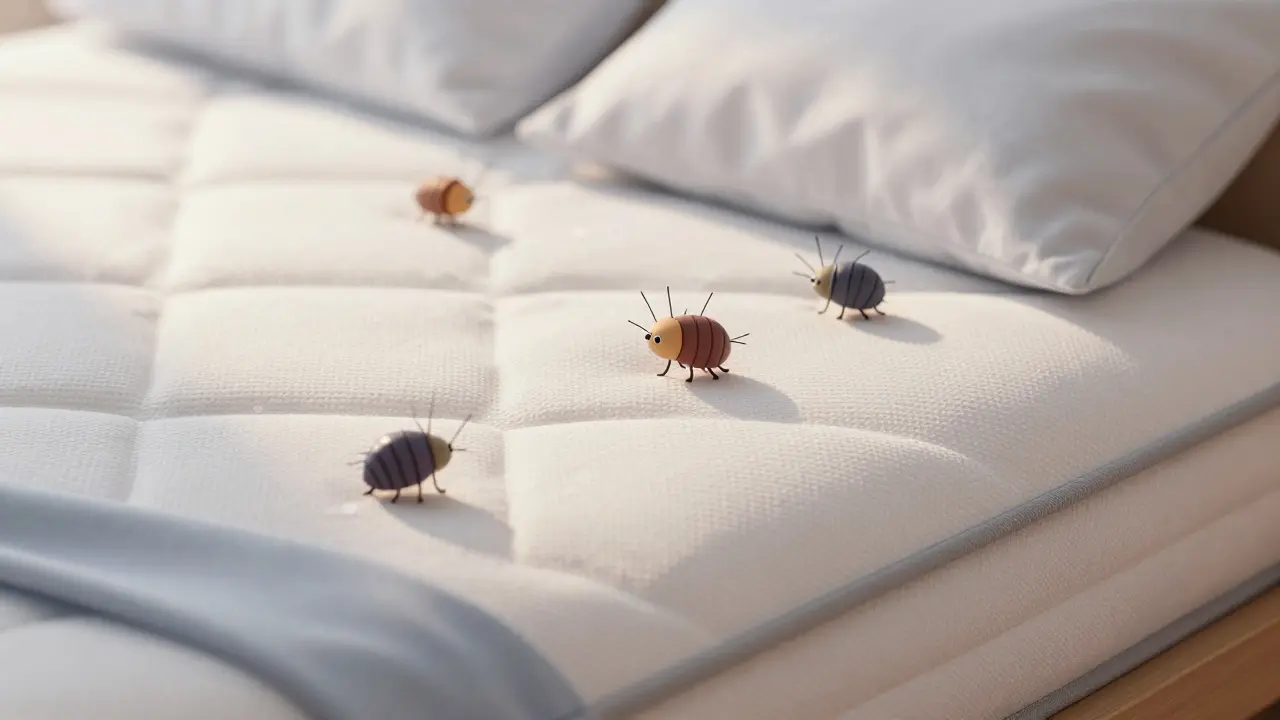
Did you know that dust mites are microscopic creatures living in your bedding right now? They're not the kind of dust you see, but tiny arachnids that feed on dead skin cells. According to the American College of Allergy, Asthma, and Immunology, about 20 million Americans suffer from dust mite allergies, with symptoms like sneezing, itchy eyes, and asthma attacks. The good news? Effective dust mite control is possible with simple steps focused on bedding, humidity, and cleaning.
What Are Dust Mites and Why Do They Matter?
Dust mites (Dermatophagoides farinae and Dermatophagoides pteronyssinus) are too small to see with the naked eye. They thrive in warm, humid places like mattresses, pillows, and carpets. These arachnids don't bite or spread disease, but their droppings and dead bodies trigger allergic reactions. The Mayo Clinic confirms they're the most common year-round indoor allergen. When you sleep, you're in close contact with these allergens for 6-8 hours a night, which explains why allergy symptoms often worsen in the morning.
Humidity Control: Your Most Powerful Weapon
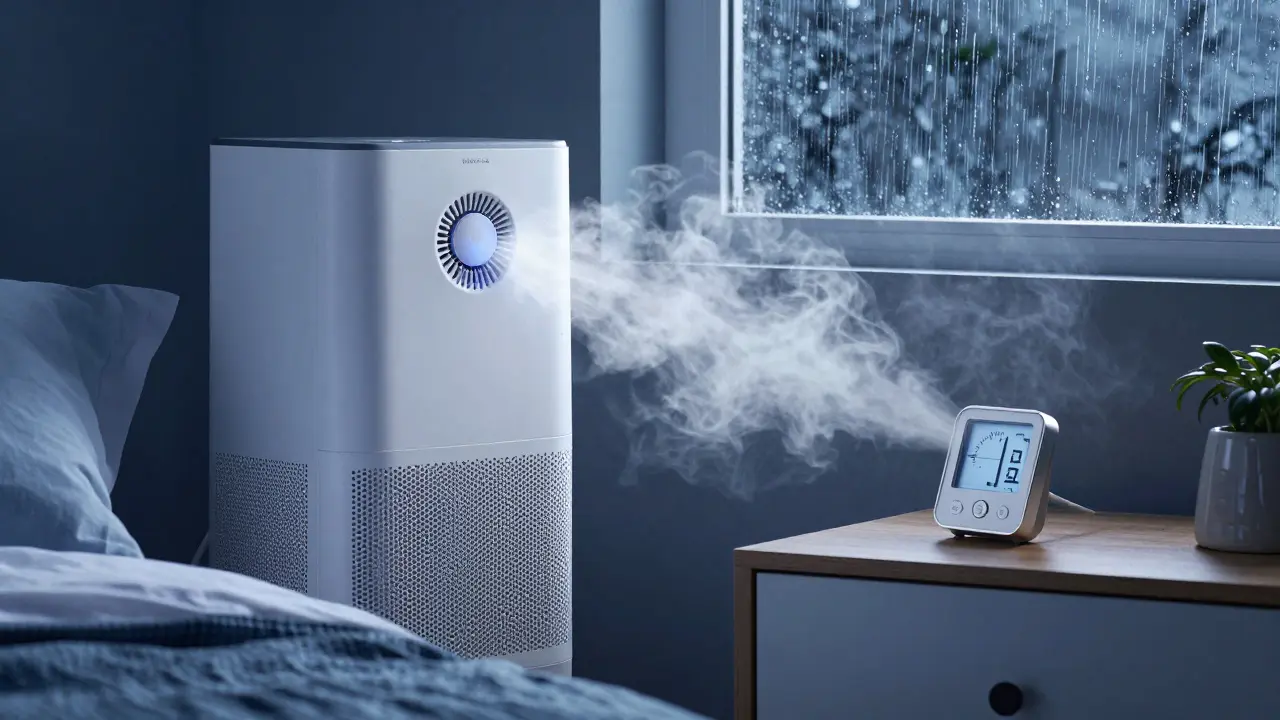
Humidity control is the single most important factor in dust mite management. Keeping indoor relative humidity below 50% makes it impossible for mites to absorb moisture from the air. Research from the National Institute of Allergy and Infectious Diseases shows that below 55% RH, dust mites start dying off. Aim for 45% or lower for best results. A digital hygrometer placed at bed level tracks this accurately-cheap analog ones often read wrong. In humid climates, a dehumidifier in the bedroom keeps humidity stable. Dr. James Sublett, former president of the American College of Allergy, says: "Humidity control alone eliminates 90% of the problem without extra steps." This is backed by a 2019 study in the Journal of Allergy and Clinical Immunology, which found that maintaining 40-45% RH reduces mite populations by 95% in two weeks.
Bedding: The Frontline of Dust Mite Defense
Your bed is dust mite central. Wash all bedding weekly in water at exactly 130°F (54.4°C). This temperature kills 100% of mites. Cold water washing won't cut it unless you dry on high heat for 15 minutes. Use mattress encasements with pores smaller than 10 micrometers. These create a physical barrier that stops mites and allergens. Look for products tested to handle 10,000+ abrasion cycles-cheaper ones tear easily. Pillow encasements are just as important. Avoid feather or down pillows; synthetic fibers are harder for mites to live in. For stuffed toys, freeze them for 24 hours to kill mites before washing.
Effective Cleaning Routines That Actually Work
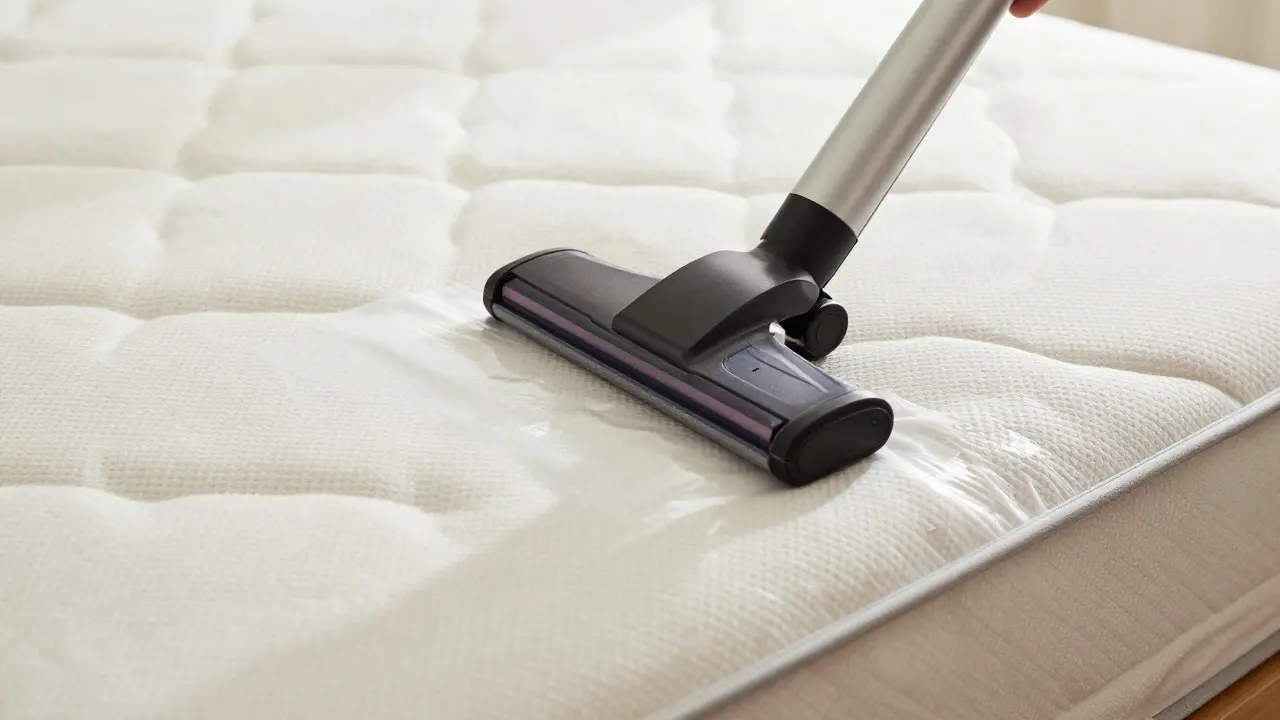
Regular cleaning matters, but not all methods are equal. Use a HEPA vacuum for carpets and upholstery. Move slowly-about one foot per second-to pull out allergens. Dry sweeping or feather dusters just stir dust into the air. Damp mop hard floors daily to trap dust. Vacuum mattress seams and crevices weekly. Replace carpeting with hard flooring if possible; studies show carpet removal reduces allergens by 90%. For upholstery, choose leather or vinyl over fabric. Remember: cleaning is only half the battle. Pair it with humidity control and bedding changes for the best results.
What Doesn't Work: Common Myths and Mistakes
Many products promise quick fixes but fail. Air purifiers alone don't help-dust mites live in bedding, not air. Essential oil sprays or tannic acid treatments only reduce allergens by 50-60% and don't kill mites long-term. Cold water washing (without high heat drying) removes only 75-85% of allergens. Biweekly bedding changes? Not enough; weekly is the minimum. Skipping humidity control means other efforts won't last. The American Academy of Allergy, Asthma & Immunology's 2024 guidelines stress that only integrated approaches (humidity + barriers + hot washing) provide clinical benefit. Avoid gimmicks; focus on proven steps.
Frequently Asked Questions
Can I kill dust mites by freezing bedding?
Yes, freezing non-washable items like stuffed toys for 24 hours kills dust mites. But this doesn't remove allergens-follow up with HEPA vacuuming. For washable bedding, hot water washing is more reliable than freezing alone.
How often should I wash bedding to control dust mites?
Wash all bedding weekly in hot water at 130°F. Biweekly washing only removes 50% of allergens, according to Asthma Canada. This is the minimum for effective control-more frequent washing helps if symptoms persist.
Do air purifiers help with dust mites?
No. Air purifiers capture airborne particles but don't address mites living in bedding or carpets. They're useful for pollen or pet dander, but for dust mites, focus on humidity control, hot washing, and encasements instead.
What's the best way to vacuum for dust mite control?
Use a HEPA vacuum and move slowly-about one foot per second. Fast vacuuming misses allergens trapped deep in fibers. Focus on mattress seams, upholstery, and carpets. Empty the vacuum outside to avoid stirring allergens back into the air.
Is it worth buying expensive mattress encasements?
Yes. Cheap encasements often tear within months, letting mites through. Certified products with pore sizes ≤10 micrometers and 10,000+ abrasion cycles last years. Amazon reviews show 78% satisfaction for quality encasements versus 42% for cheaper options. They're a one-time investment that works with humidity control for long-term relief.
Brendan Ferguson
February 6, 2026 AT 07:56Dust mites are such a common issue, but many people don't realize how simple the solution can be. Controlling humidity below 50% is the most effective step-no need for expensive gadgets. Just a good dehumidifier and regular washing of bedding in hot water. It's amazing how much relief I've gotten from just these two changes. Highly recommend giving it a try.
Johanna Pan
February 6, 2026 AT 14:22Living in a humid climate like Florida, I've had to deal with dust mites for years. Using a dehumidifier in the bedroom and washing bedding weekly in hot water has been a game-changer. Its amazing how much better I feel now. Definately worth the effort!
Jennifer Aronson
February 7, 2026 AT 10:02In many cultures, using cotton bedding and airing out mattresses regularly is a traditional practice. It's interesting how modern science confirms these old methods. Keeping humidity low and washing bedding weekly seems to be the key. No need for complicated solutions.
Carl Crista
February 9, 2026 AT 02:15Dehumidifiers are good but they're also controlled by big pharma to sell more meds The real solution is to avoid synthetic fibers and use natural materials They say humidity control works but its all a scam The truth is you need to use specific materials that block mites
Dr. Sara Harowitz
February 10, 2026 AT 11:40Only in America do we have such advanced solutions for dust mites! Why don't people follow the science? Washing bedding at 130°F is absolutely essential! Anybody not doing that is just being lazy! It's so simple!
Gregory Rodriguez
February 12, 2026 AT 10:47Oh sure, because nothing says 'I care about my health' like sweating over a dehumidifier and obsessing over bedding. But hey, if you want to stop sneezing like a clown, go for it. Just kidding-this stuff actually works!
Jenna Elliott
February 13, 2026 AT 04:33Sarcastic comments don't help anyone. If you're not serious about dust mite control, you're part of the problem. This is a serious issue that affects millions. Stop being flippant.
lance black
February 13, 2026 AT 22:42Hot water washes work. Period.
Sam Salameh
February 15, 2026 AT 22:16America's got the best solutions for dust mites! Just follow the steps-washing bedding weekly and keeping humidity low. It's easy and effective!
Cole Streeper
February 16, 2026 AT 10:01You think it's easy? Big companies are hiding the real solution. They want you to buy expensive encasements when all you need is to sleep on the floor. Trust me, I know what's really going on.
Dina Santorelli
February 17, 2026 AT 06:56Honestly, all this effort seems pointless. Dust mites are everywhere, and no matter what you do, they'll still be there. It's just a waste of time.
Phoebe Norman
February 18, 2026 AT 18:27The allergen mitigation process requires a multi-faceted approach including humidity regulation and barrier methods However many individuals fail to adhere to the necessary protocols leading to persistent symptoms
Albert Lua
February 18, 2026 AT 18:34In my culture, we've always used natural materials like bamboo for bedding. It's breathable and naturally resistant to dust mites. Combining that with humidity control really helps.
Laissa Peixoto
February 20, 2026 AT 06:02It's fascinating how traditional practices often align with scientific findings. The use of natural materials like bamboo isn't just cultural-it's practical. This integration of old wisdom and modern science is a reminder that solutions can be both simple and profound.
divya shetty
February 22, 2026 AT 05:20Many people overlook the importance of humidity control. It's not just about washing bedding; the environment must be managed properly. This is basic hygiene, and failing to do so is irresponsible.