
How to Store Emergency Kits to Maximize Medication Shelf Life
Why Your Emergency Medications Might Be Useless When You Need Them Most
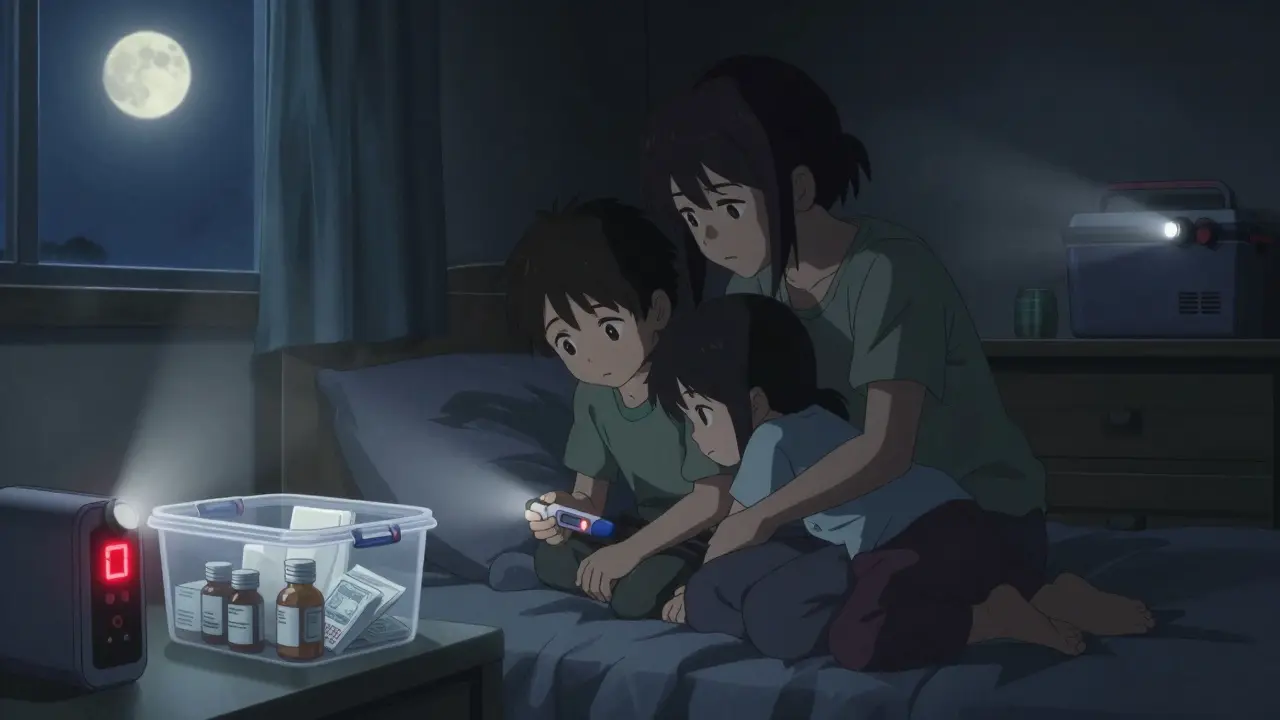
You’ve got your emergency kit ready: water, canned food, flashlights, first aid supplies. But if your insulin, epinephrine, or blood pressure pills are sitting in a damp bathroom cabinet or a hot garage, they could be losing potency right now-without you even knowing it. In 2022, a winter storm knocked out power for 72 hours in parts of Ireland. Families relying on refrigerated medications reported cases where insulin stopped working, and epinephrine auto-injectors failed to stop allergic reactions. The CDC found that temperature excursions are responsible for 78% of emergency medication failures. That’s not a small risk. It’s a life-or-death gap in most people’s preparedness plans.
What Temperature and Humidity Really Do to Your Pills
Medications aren’t like canned beans. They’re complex chemical formulas designed to work within narrow environmental limits. The FDA says most pills and capsules should stay between 59°F and 77°F (15°C-25°C). That’s room temperature, but not your kitchen counter next to the stove. Heat above 86°F (30°C) can break down active ingredients. Insulin, for example, loses 15% of its potency after just 12 hours above 46°F (8°C). Epinephrine auto-injectors? A 2018 study showed they lose 37% effectiveness in 72 hours if exposed to high heat.
Humidity is just as dangerous. If your kit is in a bathroom, you’re exposing meds to 70-90% humidity. A 2019 University of Florida study found acetaminophen tablets stored at 75% humidity for 30 days lost 28% of their ability to dissolve properly-meaning your body can’t absorb them. Even light matters. Amoxicillin capsules exposed to direct sunlight for 48 hours lost 42% of their active ingredient. That’s not a theory. That’s lab-tested fact.
Storage Rules That Actually Work
Forget the bathroom. Forget the attic. Forget the car trunk. The best place for your emergency meds is a cool, dry, dark spot-like a closet shelf in your bedroom or a kitchen cabinet away from the sink. Avoid areas with pipes, windows, or appliances that generate heat. Use a sealed plastic bin with a tight lid to block moisture. Add silica gel packs (the little white packets you find in new shoes or electronics) to absorb humidity. Don’t throw them out-reuse them in your kit.
Always keep medications in their original bottles. Labels have the National Drug Code (NDC), dosage instructions, and expiration dates. Removing pills and tossing them into random containers increases the risk of accidental overdose or wrong medication use. The American Pharmacists Association says 62% of emergency medication errors happen because labels are missing.
How to Extend Shelf Life Beyond the Expiration Date
Expiration dates aren’t magic deadlines. They’re the manufacturer’s guarantee of full potency under ideal conditions. Many solid medications-like antibiotics, blood pressure pills, or pain relievers-stay effective for years beyond that date if stored properly. Dr. Michael Rhodes’ 2021 research at Intermountain Healthcare found that vacuum-sealing pills can extend usable life by 1-2 years. It’s not a gimmick. Vacuum-sealed amoxicillin stored in a cool, dark place retained 95% potency for 24 months past expiration. Non-vacuum sealed? Only 68%.
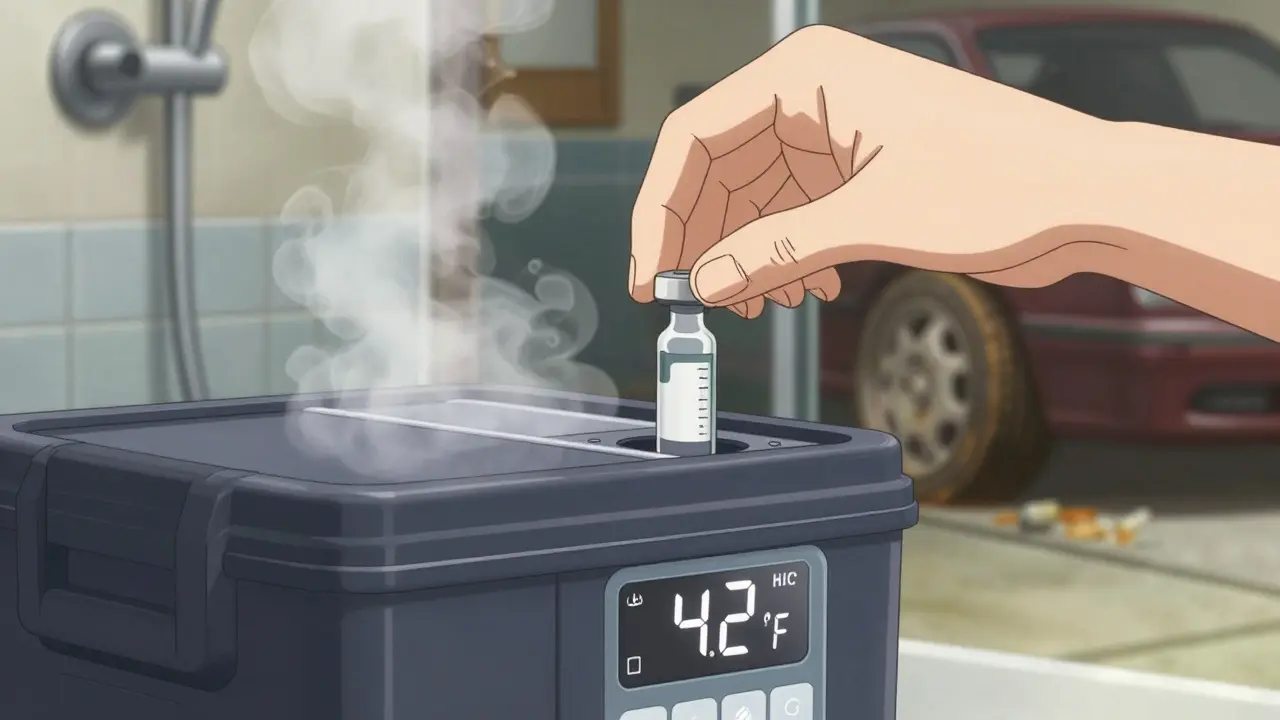
But this doesn’t work for liquids. Insulin, liquid antibiotics, or eye drops degrade faster. Even under perfect conditions, they rarely last more than 30-60 days past expiration. If you rely on insulin, don’t gamble. Use a battery-powered medical cooler. These maintain 36-46°F for 72+ hours without electricity. The American Diabetes Association recommends carrying a 48-hour supply in one during emergencies.
Temperature Monitoring: The One Tool You Can’t Skip
You wouldn’t drive a car without a fuel gauge. Why store life-saving meds without knowing if they’re overheating? The FDA and ANSI/AAMI ST79:2017 require temperature monitoring devices with ±0.5°F accuracy in emergency kits. That’s not optional. It’s essential.
Look for digital thermometers with memory recall or alarms. Some cost under €15 on Amazon. They log highs and lows. One user on Reddit, u/SurvivalMedic99, said their vacuum-sealed meds worked during a 2022 blackout because they caught a temperature spike before it damaged anything. Products without monitoring get 3.2/5 stars. Ones with it? 4.6/5. The top complaint in negative reviews? “No idea if my meds got too hot.”
What to Include and How to Organize It
Start with a 30-day supply. The American Pharmacists Association and Dr. Michael Rhodes both say three days is the bare minimum. Thirty days is what actually prepares you for most disasters. Include:
- All prescription medications (even if you think you won’t need them)
- Over-the-counter pain relievers, antihistamines, anti-diarrheal meds
- Epinephrine auto-injectors (replace every 12-18 months, even if not expired)
- Insulin and other refrigerated drugs (with backup cooler)
- Medical devices: glucose monitors, inhalers, nebulizers
Organize by expiration date. Put the oldest in front. The Veterans Administration found this simple trick cuts waste by 65%. Check your kit monthly. Spend 15 minutes. Look for:
- Discoloration or strange smells
- Cracked or swollen pills
- Cloudy insulin
- Expired epinephrine
What to Avoid at All Costs
Bathrooms: High humidity = 40% faster degradation, according to the American College of Emergency Physicians.
Windowsills: Sunlight breaks down drugs fast.
Freezers: Freezing can destroy liquid meds and injectables.
Unlocked cabinets: The CDC says locked storage reduces accidental child exposure by 97%. But make sure you can access it quickly during an emergency. A locked box with a quick-release latch is ideal.
“The toilet tank trick”: Some people suggest putting insulin in the toilet tank to keep it cool during power outages. Consumer Reports tested this. It works for 8-12 hours, but it’s unreliable. Bacteria, water splashes, and inconsistent temps make it risky. Use a proper cooler instead.
What’s Changing in 2025
Things are improving. In January 2023, the FDA approved Tresiba®-a new insulin that stays stable at 86°F for 56 days. That’s a 400% improvement. Novo Nordisk says it’s a game-changer for emergency use. The Department of Homeland Security now recommends a 14-day supply, up from 7 days in 2019. And the FDA is piloting blockchain-tracked storage systems that alert you if meds get too hot or cold.
By 2027, half of all essential emergency medications are expected to be room-temperature stable. But until then, you still need to store them right. Don’t wait for new tech. Do it now.
Real Stories, Real Consequences
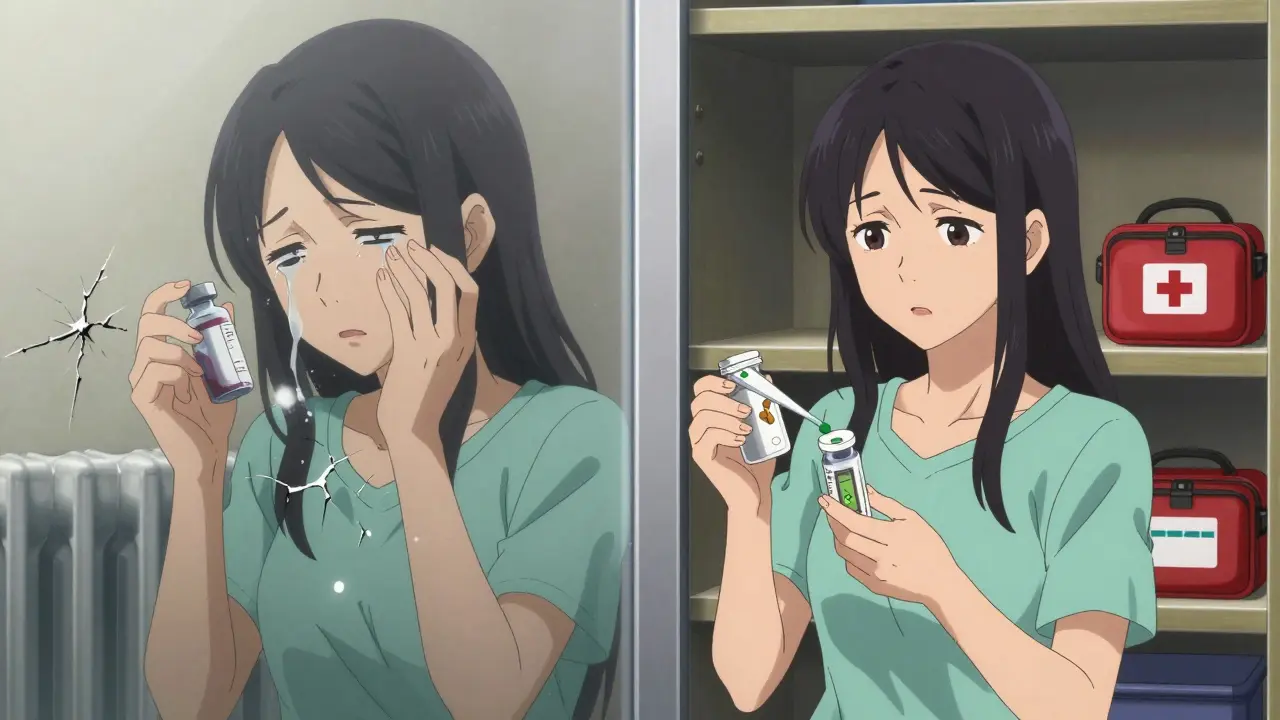
One woman in County Clare lost her husband during a 2022 storm because his epinephrine didn’t work. The auto-injector was stored in a drawer next to a radiator. The heat had degraded it over months. She didn’t know.
Another family in Cork kept their insulin in the fridge but forgot to pack it during evacuation. They lost power for five days. Their child’s blood sugar spiked dangerously. They had no backup.
These aren’t rare cases. The American Red Cross found that 73% of people who stored meds properly had no issues. Only 38% of those who didn’t had effective meds.
Final Checklist: Your Emergency Medication Kit
- ☐ 30-day supply of all prescription meds
- ☐ All meds in original containers with labels
- ☐ Vacuum-sealed solids (if possible)
- ☐ Battery-powered medical cooler for refrigerated meds
- ☐ Digital thermometer with memory (±0.5°F accuracy)
- ☐ Silica gel packs to control humidity
- ☐ Epinephrine auto-injectors replaced every 12-18 months
- ☐ Kit stored in cool, dry, dark place (not bathroom, not garage)
- ☐ Monthly 15-minute check with expiration tracking
Emergency preparedness isn’t about having a bag. It’s about knowing your meds will work when everything else falls apart. Don’t assume. Test. Track. Replace. Your life-or someone else’s-could depend on it.
Shae Chapman
December 31, 2025 AT 11:20Nadia Spira
January 1, 2026 AT 22:55henry mateo
January 3, 2026 AT 22:52Kunal Karakoti
January 4, 2026 AT 01:32Kelly Gerrard
January 4, 2026 AT 12:39Aayush Khandelwal
January 5, 2026 AT 07:22Sandeep Mishra
January 7, 2026 AT 04:07Colin L
January 7, 2026 AT 22:18Hayley Ash
January 8, 2026 AT 05:21kelly tracy
January 10, 2026 AT 01:32Cheyenne Sims
January 11, 2026 AT 10:48Glendon Cone
January 12, 2026 AT 01:47Henry Ward
January 13, 2026 AT 19:30Joseph Corry
January 13, 2026 AT 21:29