
Multicultural Perspectives on Generics: How Culture Shapes Patient Trust and Adherence
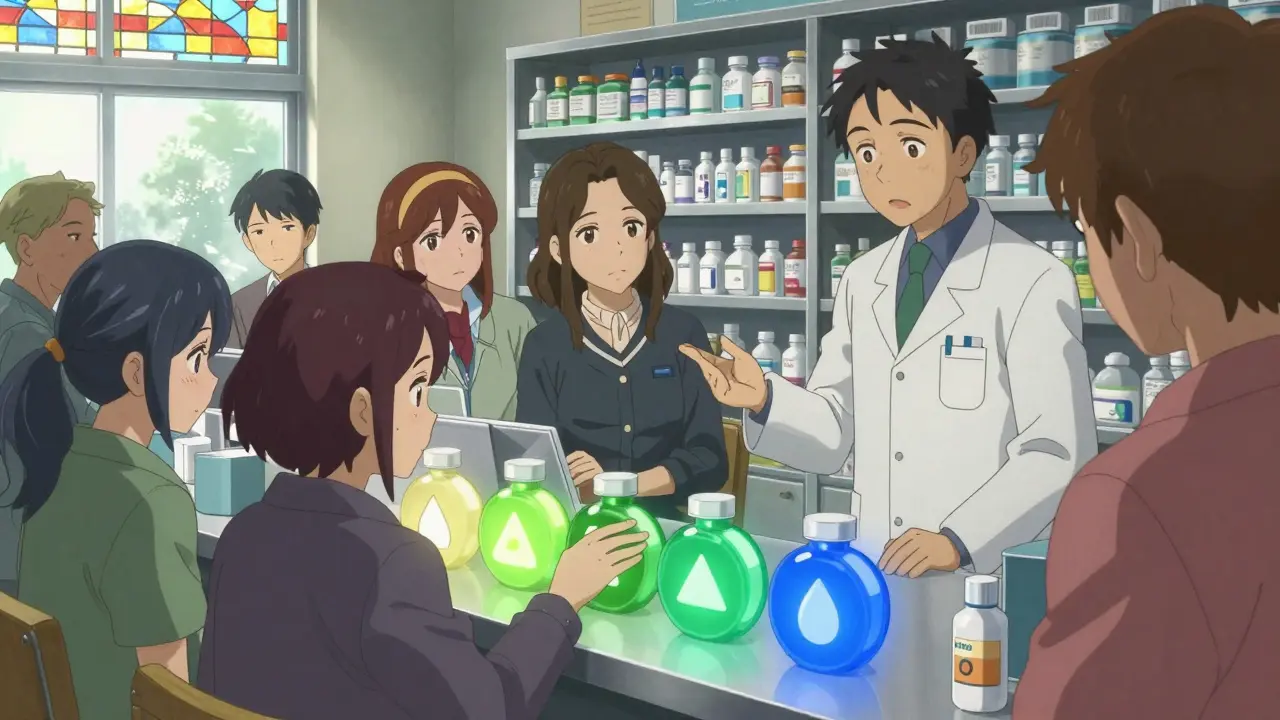
When a patient picks up a prescription, they don’t just see a pill. They see a color, a shape, a size, and sometimes, a symbol they don’t recognize. For many, that pill isn’t just medicine-it’s a signal. And if that signal doesn’t match what they’ve been taught to trust, they might not take it at all.
Generics make up 70% of all medicines sold in Europe by volume. They’re cheaper, widely available, and just as effective as brand-name drugs. But here’s the catch: generic medications often look different from the branded versions patients are used to. And in multicultural communities, that difference isn’t just cosmetic-it can break trust.
Why a pill’s color matters more than you think
In some cultures, the color of a pill carries meaning. Yellow might mean healing in one community, and danger in another. A blue capsule could be associated with calm, or with depression. One pharmacist in Dublin recalled a Somali patient who refused a generic version of their blood pressure medication because it was a deep green-"the color of sickness," they said. The patient had taken a white pill for years. When it changed, they believed the medicine had changed too.
Studies show that African American and Hispanic patients are significantly more likely than non-Hispanic White patients to doubt the effectiveness of generics. A 2022 FDA survey found 28% of African American patients believed generics were less effective, compared to just 15% of White patients. Why? Often, it’s not about science. It’s about experience. Historical mistrust in healthcare systems, combined with inconsistent messaging, leaves many patients wondering: "If this pill looks different, is it really the same?"
What’s inside the pill? It’s not just the active ingredient
Generics must contain the same active ingredient as the brand-name drug. That’s the law. But the rest? The fillers, the coatings, the capsules? Those are called excipients-and they vary wildly between brands and generics.
Take gelatin. It’s common in capsules. But for Muslims, gelatin made from pork is strictly forbidden. For Jewish patients, non-kosher gelatin is equally unacceptable. A 2023 study found that 63% of pharmacists in urban areas get questions about excipients at least once a week. One pharmacist described spending two hours calling manufacturers just to find a halal-certified version of a generic antidepressant. That’s not efficiency. That’s a system failing people.
Even plant-based capsules can be a problem. Some are made from bovine sources. Others use fish-derived gelatin. Without clear labeling, patients are left guessing. And in many cases, they’re too embarrassed to ask. Or they’ve been told before, "It’s the same medicine," so they don’t push back-even when it’s not.
The invisible gap in patient education
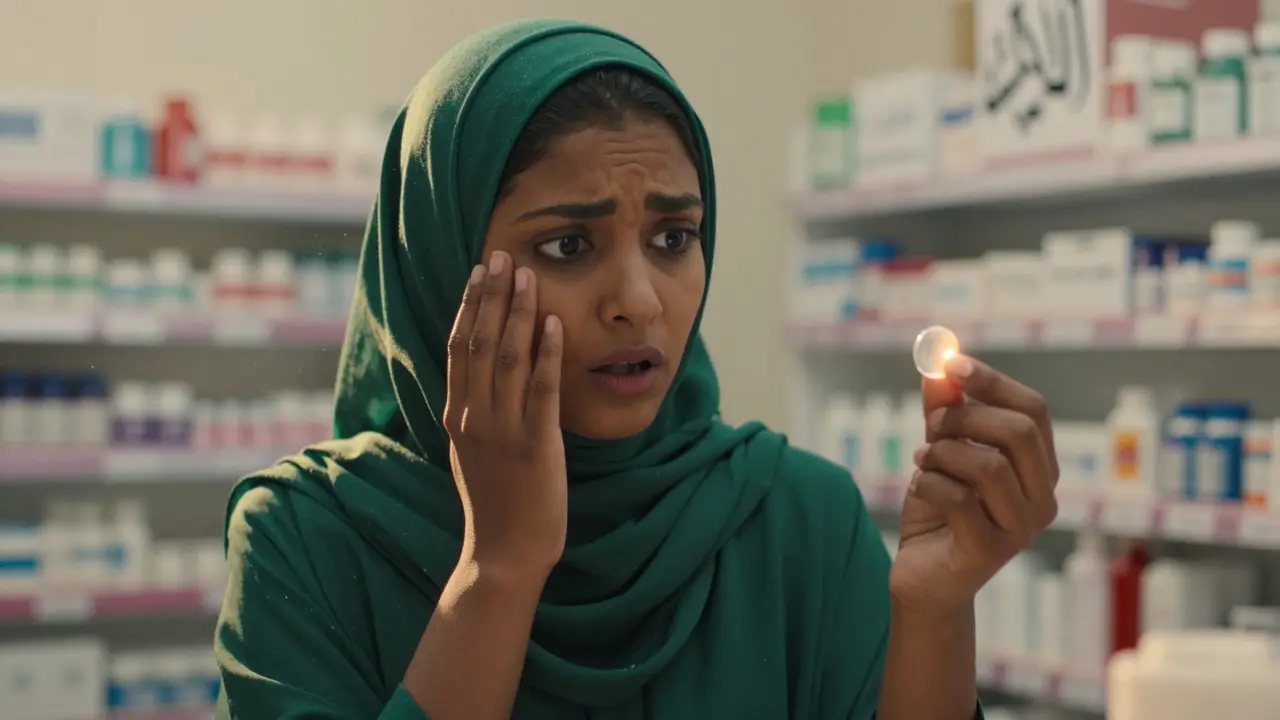
Most patient education materials about generics are written in clinical language. "Bioequivalent." "Therapeutic equivalence." These terms mean nothing to someone who’s never been taught how drugs work. And they mean even less if the person speaks another language at home.
One community pharmacy in Limerick started offering printed instructions in Polish, Arabic, and Tagalog. Within six months, refill rates for generics among those groups rose by 34%. Why? Because patients could finally understand what they were being given-and why the pill looked different.
But this isn’t common. Only 22% of community pharmacies in the U.S. and Europe have formal training for staff on cultural considerations for generics. Most pharmacists learn by trial and error. They memorize which brands use halal gelatin. They keep a list of which generics avoid animal products. They learn to ask, "Is there anything in your medicine that conflicts with your beliefs?"-but only if they’ve been taught to.
Regulations are changing-but slowly
In 2022, the U.S. passed the Food and Drug Omnibus Reform Act (FDORA). One of its goals? Improve diversity in clinical trials and address social determinants of health. That includes cultural barriers to medication use.
Some manufacturers are responding. Teva launched a "Cultural Formulation Initiative" in 2023 to document excipient sources for all their generics across 15 major drug classes. Sandoz announced plans in early 2024 to build a global framework for culturally appropriate patient education. These are real steps.
But here’s the problem: generics are made by dozens of companies-Teva, Sandoz, Viatris, Sun Pharma, Cipla, Lupin. Not all of them are moving at the same pace. And even if they were, packaging labels in the U.S. still only include detailed excipient info in 37% of cases. In the EU, it’s 68%. That gap leaves patients in the dark.
What works: Real solutions from real pharmacies
Some pharmacies are fixing this without waiting for big companies to act.
In London, a chain developed a simple digital tool. Pharmacists scan a pill’s imprint code. The system pulls up: active ingredient, excipients, allergens, halal/kosher status, and alternative formulations. It took three months to build. Now, instead of spending hours on the phone, they find a match in under a minute.
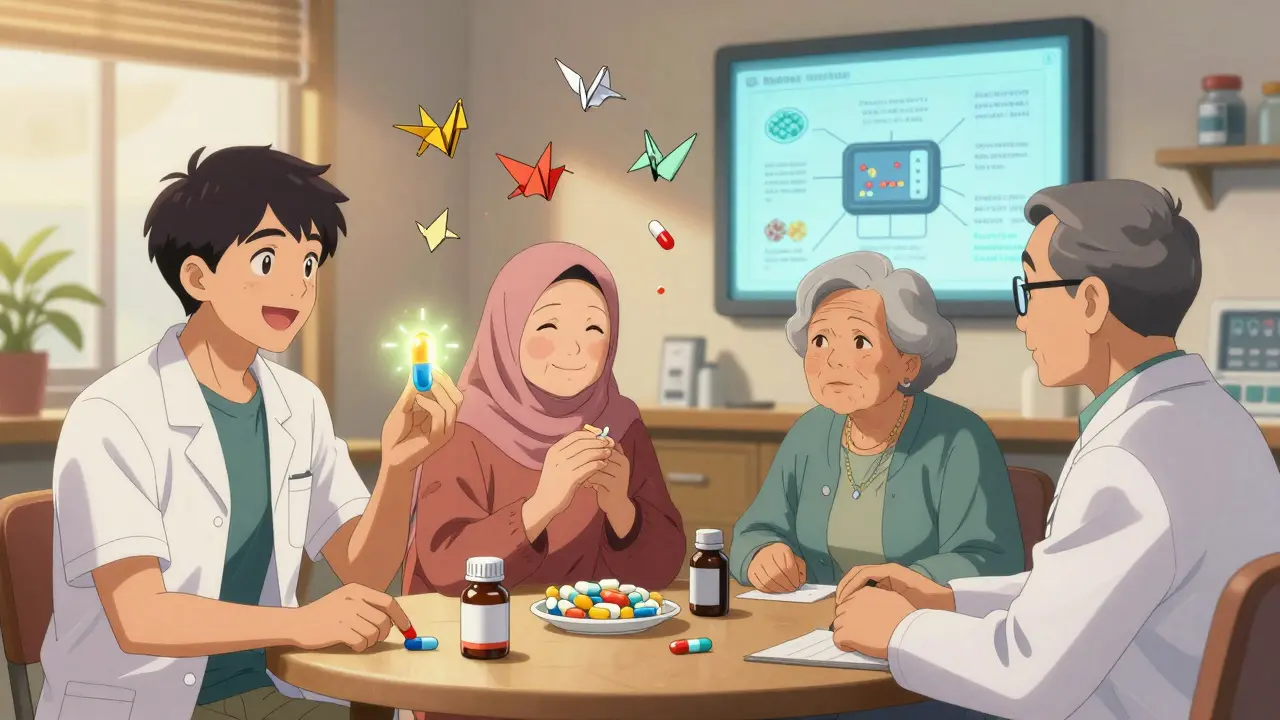
In Toronto, a clinic started holding monthly "medication circles"-small group sessions where patients from different backgrounds could ask questions about their pills, in their own language. A Muslim grandmother learned her generic diabetes pill was kosher-certified. A Vietnamese patient discovered his new blue pill had the same active ingredient as the red one he’d taken for years. Trust returned. Adherence improved.
These aren’t expensive fixes. They’re thoughtful ones.
What’s at stake
It’s not just about trust. It’s about health.
Chronic conditions like hypertension and diabetes hit minority communities harder. Yet those same communities are more likely to stop taking their meds because of cultural mismatch. The cost? Not just in dollars-it’s in lives. A 2021 study estimated that culturally adapted generics could close a $12.4 billion gap in unmet need in the U.S. alone.
And it’s not just about religion or color. It’s about dignity. When a patient is handed a pill they don’t recognize, and no one explains why it changed, they feel invisible. When a pharmacist takes the time to say, "I know this looks different, but let me show you why it’s the same," they feel seen.
The future of generics isn’t just about price. It’s about respect. And respect means understanding that a pill isn’t just chemistry. It’s culture. It’s history. It’s belief. And if we want generics to work for everyone, we have to treat them that way.
RacRac Rachel
March 4, 2026 AT 06:17Shivam Pawa
March 5, 2026 AT 21:08Diane Croft
March 7, 2026 AT 19:53Chris Beckman
March 8, 2026 AT 01:46Richard Elric5111
March 8, 2026 AT 03:25Deborah Dennis
March 8, 2026 AT 05:34Tobias Mösl
March 9, 2026 AT 23:37Ethan Zeeb
March 10, 2026 AT 04:36Darren Torpey
March 10, 2026 AT 16:40Lebogang kekana
March 12, 2026 AT 12:59Renee Jackson
March 13, 2026 AT 21:28