
Post-Menopausal Medication Safety: Managing Changes and Reducing Risks
Post-Menopausal Medication Safety & Risk Checker
Your Health Profile
Select your options and click "Assess My Risk Profile" to see personalized safety insights.
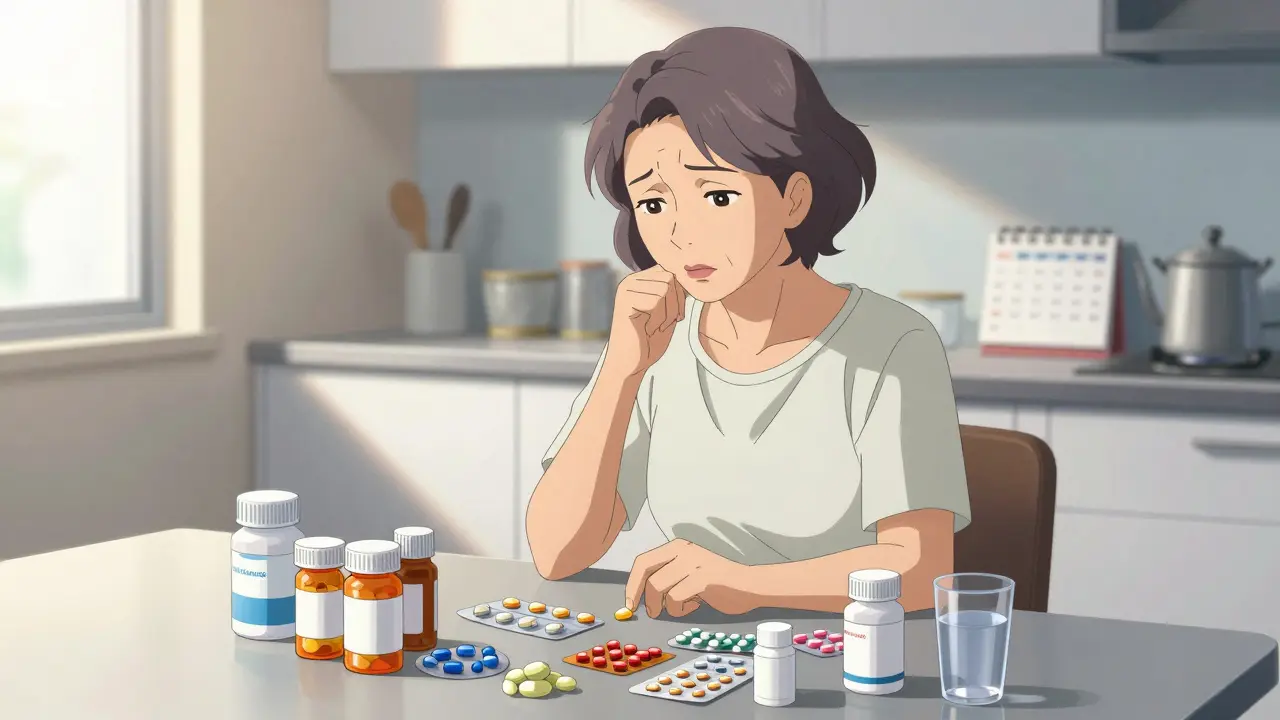
Did you know that women over 65 take an average of four to five prescription medications every single day? For post-menopausal women, this isn't just a number-it's a daily balancing act. As your body changes after menopause, the way it processes drugs shifts dramatically. What worked perfectly ten years ago might now cause dangerous side effects or stop working altogether.
Medication safety during this life stage is critical. Adverse drug events account for 35% of hospitalizations among women aged 65 and older. This isn't about fear-mongering; it's about empowerment. Understanding how your physiology has changed allows you to work smarter with your healthcare providers, reducing risks while managing symptoms like hot flashes, bone density loss, and heart health concerns.
How Menopause Changes Your Body’s Drug Processing
Menopause does more than stop your period. It triggers a cascade of physiological changes that directly impact pharmacokinetics-the study of how your body moves drugs around. The most significant change is the decline in estrogen. Estrogen doesn't just regulate reproduction; it influences liver enzymes, fat distribution, and kidney function.
As estrogen levels drop, your body’s composition changes. You likely have less total body water and more body fat. This matters because many drugs are water-soluble or fat-soluble. If a drug is fat-soluble, it may stay in your system longer, increasing the risk of accumulation and toxicity. Conversely, reduced kidney function, which naturally declines with age, means your body clears waste-and drugs-more slowly.
Consider blood pressure medications. A dose that was effective at 50 might be too strong at 65 due to slower clearance, leading to dizziness or falls. Similarly, pain relievers like NSAIDs (non-steroidal anti-inflammatory drugs) can become harsher on the stomach lining as protective mucosal layers thin out. Understanding these shifts is the first step in preventing unnecessary harm.
The Hidden Danger of Polypharmacy
Polypharmacy refers to taking multiple medications simultaneously. While often necessary for chronic conditions, it poses unique risks for post-menopausal women. Approximately 44% of women aged 65+ take five or more medications, and 15% experience potentially inappropriate medication use.
The danger lies in interactions. When you add a new drug to an existing regimen, it doesn't just do its own job-it interacts with everything else in your system. For example, combining certain blood thinners with common supplements like fish oil or vitamin E can increase bleeding risks. Or taking sedatives alongside antihistamines can lead to excessive drowsiness, raising fall risks.
- Fragmented Care: With 40% of older adults seeing multiple providers, no single doctor sees the full picture. This leads to duplicate prescriptions or conflicting treatments.
- Cognitive Load: Remembering complex schedules is hard. Studies show 28% of women report medication errors, with "taking a medication twice" being the most common mistake.
- Silent Accumulation: Some side effects build up slowly. You might not feel immediate issues, but long-term use of certain drugs can affect bone density or cognitive function.
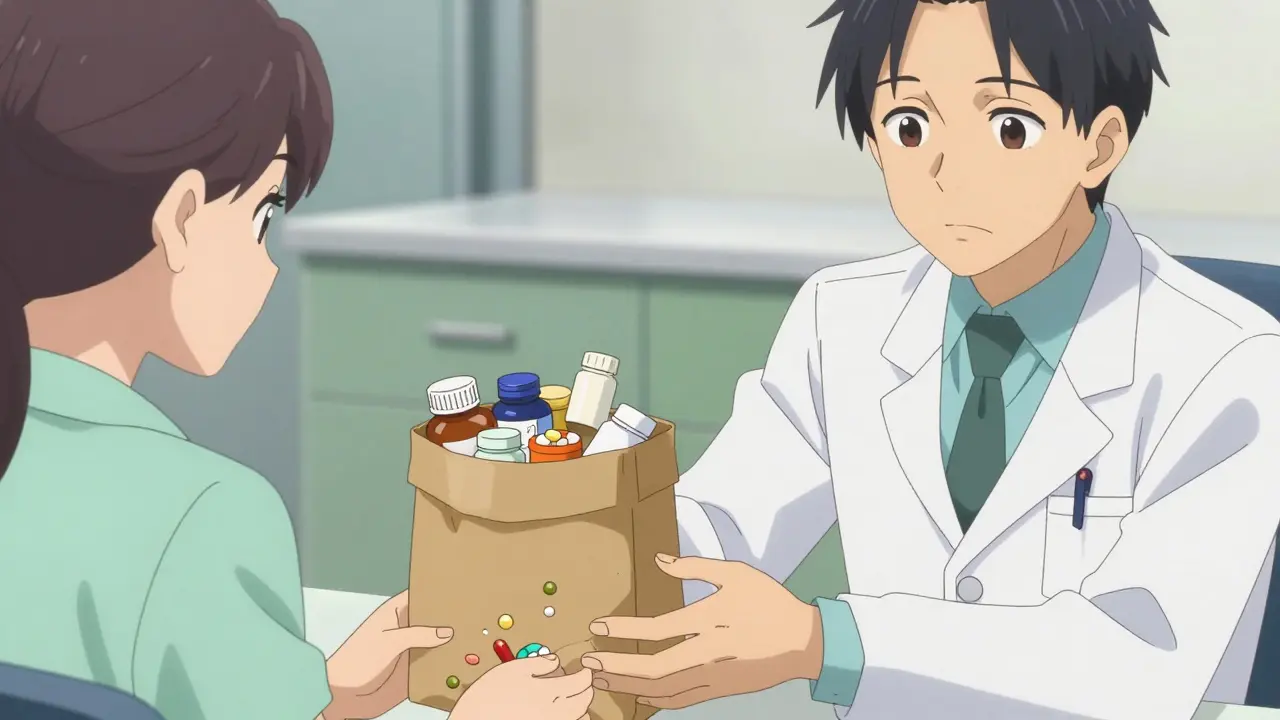
To combat this, experts recommend a "brown bag review." Bring all your medications-including vitamins, herbal supplements, and over-the-counter pills-to your annual check-up. Let your provider see exactly what you're taking. This simple step can identify dangerous overlaps before they cause harm.
Hormone Therapy: Navigating the Risks and Benefits
Menopausal Hormone Therapy (MHT) remains one of the most debated topics in women's health. For some, it’s a lifesaver for severe vasomotor symptoms (hot flashes). For others, the risks outweigh the benefits. The key is individualization.
The Endocrine Society guidelines highlight absolute contraindications for estrogen therapy. These include a history of breast cancer, active blood clots (deep vein thrombosis or pulmonary embolism), stroke, or liver disease. If you fall into any of these categories, traditional MHT is off the table.
However, delivery methods matter immensely. Transdermal estrogen (patches or gels) bypasses the liver, avoiding the "first-pass metabolism" that increases clotting factors. Research shows transdermal estrogen carries a 30-50% lower risk of venous thromboembolism compared to oral pills. For women with migraine with aura-a known stroke risk factor-transdermal options are significantly safer.
| Option | Best For | Key Risks | Safety Note |
|---|---|---|---|
| Oral Estrogen | General symptom relief | Blood clots, stroke | Avoid if high clotting risk |
| Transdermal Estrogen | Women with clotting risks/migraines | Lower clot risk | Bypasses liver metabolism |
| Combined Estrogen-Progestin | Women with a uterus | Breast cancer, heart disease | Not for primary prevention |
| TSECs (e.g., Duavee) | Hot flash reduction | Lower endometrial risk | Newer option, fewer data |
Remember, the USPSTF recommends against using combined estrogen-progestin for *preventing* chronic diseases like heart disease or dementia. It should only be used for symptom management when benefits clearly outweigh risks, typically within the "window of opportunity"-starting close to menopause onset (ages 50-59).
Deprescribing: Less Can Be More
One of the most powerful tools for medication safety is deprescribing-the planned reduction or discontinuation of medications that are no longer needed or where harms outweigh benefits. Many women continue taking drugs prescribed decades ago without re-evaluating their necessity.
The Beers Criteria identifies 30 high-risk medications to avoid in older adults. Long-acting benzodiazepines (like diazepam) are prime examples. They increase hip fracture risk by 50% in women over 65 due to sedation and balance issues. Yet, they remain commonly prescribed for sleep or anxiety.
Deprescribing isn't about stopping abruptly. It requires a structured approach:
- Identify: List all medications and question their current relevance.
- Assess: Evaluate risks vs. benefits for each drug.
- Taper: Gradually reduce doses. Benzodiazepines need 8-12 weeks; antidepressants need 4-8 weeks.
- Monitor: Watch for withdrawal symptoms or return of original conditions.
Studies show deprescribing interventions reduce medication burden by an average of 1.4 drugs per patient and lower adverse event risk by 33%. It’s a proactive strategy that improves quality of life and reduces pill fatigue.

Practical Strategies for Daily Safety
You don’t need to be a pharmacist to manage your meds safely. Simple habits can drastically reduce errors.
- Use a Pill Organizer: JAMA Internal Medicine reports 81% effectiveness in reducing errors. Choose one with clear days/times.
- Maintain a Master List: Keep an updated list including drug name, dosage, purpose, and prescribing doctor. Update it immediately after any change.
- Set Reminders: Use phone alarms or apps. Consistency prevents missed double-doses.
- Ask About OTC Drugs: Over-the-counter meds aren't harmless. NSAIDs like ibuprofen can interact with blood pressure meds or blood thinners.
- Review Annually: Schedule a dedicated "medication review" appointment separate from routine physicals.
If you’re unsure about a side effect, don’t ignore it. Fatigue, dizziness, or confusion can be signs of drug interaction or overdose. Contact your provider promptly.
Looking Ahead: Personalized Medicine
The future of post-menopausal medication safety lies in personalization. Pharmacogenomics-testing how your genes affect drug metabolism-is emerging. For instance, CYP2D6 testing helps determine how well you process tamoxifen or certain antidepressants. This ensures you get the right drug at the right dose from the start.
AI-driven tools are also improving medication reconciliation, reducing errors by 45% in pilot studies. As research expands through networks like MsFLASH (Menopause Strategies: Finding Lasting Answers for Symptoms and Health), we’ll see more non-hormonal alternatives tailored to individual risk profiles.
Until then, your best defense is knowledge and communication. Ask questions. Challenge assumptions. And remember, safe medication management is a partnership between you and your healthcare team.
Is hormone therapy safe for all post-menopausal women?
No. Hormone therapy is contraindicated for women with a history of breast cancer, blood clots, stroke, or liver disease. Even for eligible candidates, risks vary based on age, timing of initiation, and delivery method. Transdermal estrogen is generally safer than oral forms regarding clotting risks.
What is polypharmacy and why is it dangerous?
Polypharmacy is taking multiple medications simultaneously. It increases the risk of drug interactions, side effects, and errors. In post-menopausal women, it contributes to 35% of hospitalizations due to adverse drug events. Regular reviews help mitigate these risks.
How can I reduce my medication burden safely?
Through deprescribing. Work with your doctor to identify unnecessary or high-risk medications. Taper them gradually over weeks or months rather than stopping abruptly. This process reduces adverse events and improves overall health outcomes.
Why do drug interactions happen more after menopause?
Menopause alters body composition (less water, more fat) and slows kidney/liver function. These changes affect how drugs are absorbed, distributed, metabolized, and excreted, making standard doses potentially too strong or prolonged in the system.
What is the "brown bag review" and why should I do it?
It’s bringing all your medications (prescription, OTC, supplements) to your doctor in a bag. This allows your provider to see the complete picture, identify duplicates or interactions, and ensure coordinated care across different specialists.
Joel Bonstell
May 4, 2026 AT 01:08hey guys, just wanted to chime in cause this is super important. i work in a clinic and we see so many ladies coming in with dizziness or weird side effects that are actually just their meds interacting bad. its not always the doctors fault either, theyre just busy. but yeah, bringin your brown bag to the appt is legit the best tip here. saves so much headaches later on.
Alexa Mack
May 5, 2026 AT 09:11I really appreciate this breakdown. It’s fascinating how something as natural as menopause can have such a profound impact on pharmacokinetics. I’ve always wondered why my mother’s medications seemed to affect her differently than mine do at half her age. The concept of the "brown bag review" is so practical yet often overlooked by patients who assume their doctors have access to all their records across different specialists. It highlights the need for better communication between healthcare providers and patients alike.
Andrew Hanssen
May 7, 2026 AT 00:16This article is nothing more than fear-mongering designed to keep women dependent on the medical establishment. The idea that one must constantly monitor every pill is absurd. People survived for centuries without these complex regimens and constant check-ups. The body is resilient; it does not require such meticulous management. Furthermore, the suggestion that transdermal estrogen is significantly safer is a marketing ploy by pharmaceutical companies looking to sell patches instead of pills. Do not be fooled by these subtle attempts to control your health through anxiety.
Prudence Wesson
May 7, 2026 AT 23:01Oh, please!! This is absolutely critical information!!! You cannot ignore the physiological changes that occur during menopause!!! It is not just about stopping periods!!! It is about survival!!! If you are taking NSAIDs, you are literally destroying your stomach lining!!! And don't get me started on benzodiazepines!!! They are poison for older adults!!! You need to listen to the experts!!! Stop being lazy and start reviewing your meds!!!
Divya Patel
May 9, 2026 AT 19:56The philosophical implication of polypharmacy is quite profound. When we outsource our bodily regulation to external chemicals, we lose touch with our innate wisdom. The body knows what it needs, but we drown it in prescriptions. The decline in estrogen is not merely a chemical shift; it is a transition into a new state of being that requires respect, not suppression. We must ask ourselves: are we healing, or are we merely managing symptoms while ignoring the root cause?
SWATI NAWANGE
May 10, 2026 AT 17:50How utterly tedious. One would think that by the time you reach post-menopause, you would have mastered the art of self-preservation without needing a hand-holding guide from an amateur writer. The notion that common sense has been replaced by "brown bag reviews" is a testament to societal decay. Only those lacking intellectual rigor require such simplistic reminders. The rest of us manage our health with dignity and discretion, not by parading our pill bottles like trophies of failure.
nikki paurillo
May 12, 2026 AT 17:27It’s wild how our bodies become these shifting landscapes after menopause, right? Like, one day you’re fine, and the next, your liver’s playing hard-to-get with your meds. I love the idea of the brown bag review-it feels like a little ritual of empowerment. Bringing everything together, seeing the full picture, it’s almost like curating your own health museum. Who knew organizing pills could feel so powerful?
Tallulah Sandison
May 13, 2026 AT 01:15Great tips! Love the energy here. Keep it up!
Ken Baldridge
May 14, 2026 AT 08:40Let’s break down the synergistic effects of deprescribing on overall patient outcomes. When we leverage evidence-based protocols to taper off high-risk agents, we observe a significant reduction in adverse event rates. It’s crucial for stakeholders to understand that medication reconciliation isn’t just administrative overhead; it’s a core component of holistic care delivery. By optimizing the therapeutic index, we enhance quality of life metrics substantially.
Bradley Gusick
May 15, 2026 AT 07:07You know what’s really going on here? Big Pharma wants you scared. They want you thinking your body is broken so you buy more stuff. The truth is, traditional medicine was stolen from indigenous peoples and repackaged. Now they tell you your natural hormones are dangerous. Wake up! They’re testing these drugs on us because they can’t test them on animals anymore due to ethical concerns. It’s a conspiracy to control the population through dependency.
Leah Sentz
May 15, 2026 AT 20:57Ugh, why do people always ignore the obvious signs?! 😡 You’re supposed to listen to your body! If you feel dizzy, STOP TAKING THE MEDS! 🛑 It’s not rocket science! And don’t even get me started on those fancy patches-total scam! 💸 Real Americans trust their gut, not some lab coat telling them what to do! Stay strong, patriots! 💪🇺🇸