
Tinnitus and Sleep: Nighttime Strategies for Relief
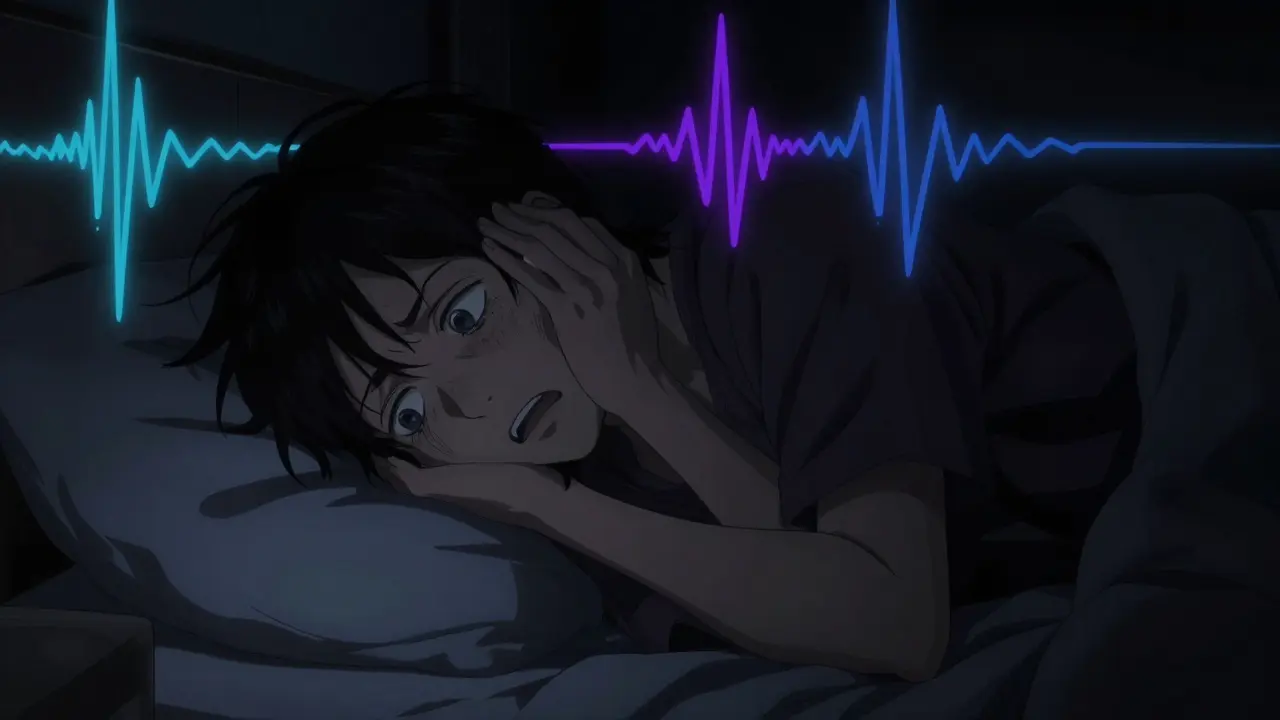
It’s 2 AM. The house is dead silent. And that’s exactly when the ringing starts. If you live with tinnitus, defined as the perception of sound such as ringing, buzzing, or hissing in the absence of an external acoustic source, you know this feeling well. It affects roughly 15% of people worldwide, but it feels like a personal attack when the rest of the world goes quiet. Why does it get worse at night? Because without background noise to distract your brain, your auditory system turns up the volume on internal signals. Studies show this perception can amplify by up to 40% in quiet environments.
You aren't just tired; you're stuck in a vicious cycle. Tinnitus disrupts your sleep, and sleep deprivation makes your brain more sensitive to stress and sound, which worsens the tinnitus. Breaking this loop isn't about finding a magic cure-it doesn't exist yet-but about managing the symptoms so you can finally rest. With the right combination of sound therapy, environmental tweaks, and behavioral changes, you can reduce the time it takes to fall asleep by nearly half an hour.
The Science of Silence and Sound
To fix the problem, you first need to understand why silence is your enemy. During the day, traffic, conversations, and office hum provide "auditory stimulation" that masks your internal noise. At night, that stimulation vanishes. Your brain, craving input, starts listening harder to its own neural activity. This is called hyperacusis or heightened auditory sensitivity.
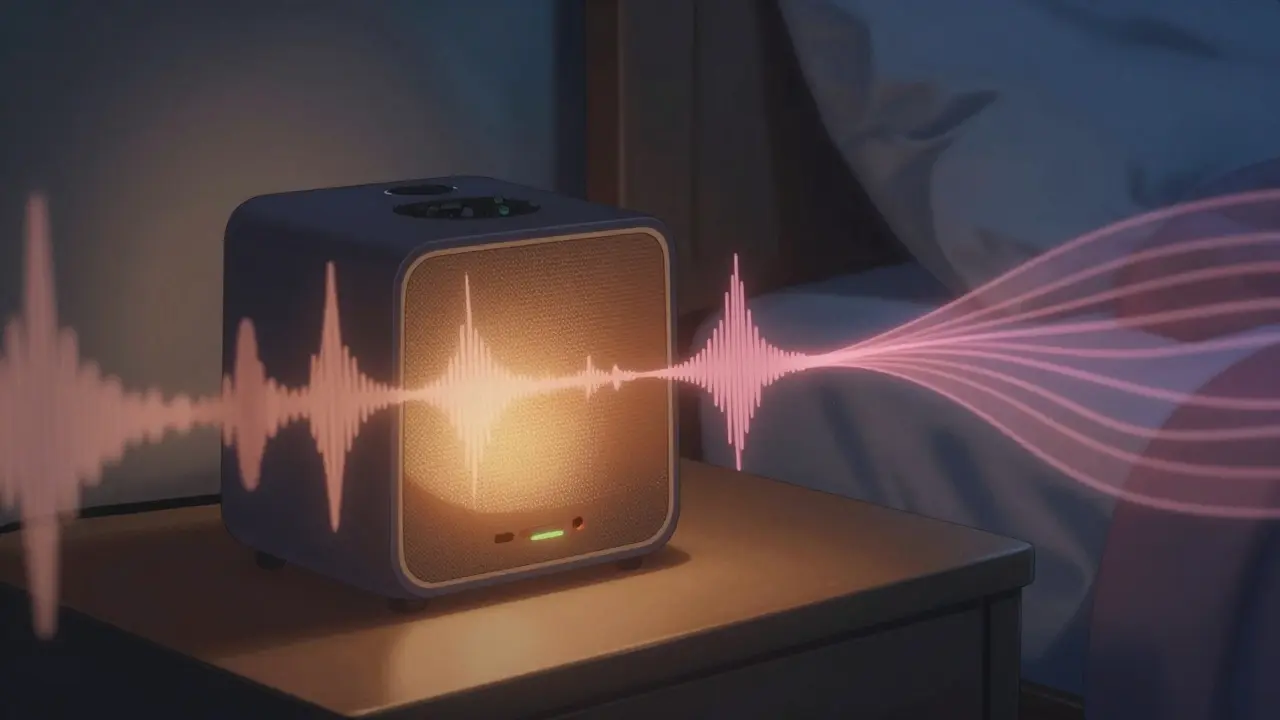
The goal isn't to eliminate the ringing completely-that's often impossible. The goal is to make it irrelevant. You want to create a "wall of sound" that sits just under the volume of your tinnitus. Research from Healthy Hearing indicates that this specific volume threshold reduces perceived loudness by 30-50% without causing additional auditory stress. If the mask is too loud, it becomes a new irritant. If it's too soft, the tinnitus bleeds through. Finding that sweet spot is key.
Choosing the Right Background Noise
Not all sounds are created equal. White noise, pink noise, brown noise-they all work differently. Here is how they break down:
- White Noise: Contains all frequencies at equal intensity (20Hz to 20,000Hz). It sounds like static or a hiss. Good for high-pitched tinnitus, but some find it harsh.
- Pink Noise: Emphasizes lower frequencies. Sounds like steady rain or rustling leaves. Softer on the ears than white noise.
- Brown Noise: Even more bass-heavy. Sounds like a distant waterfall or strong wind. Widex clinical data shows 68% of sufferers prefer brown noise for sleeping because it mimics natural ambient sounds better.
- Green Noise: Focused on mid-frequencies. Often described as forest-like.
I recommend starting with brown noise. It’s less jarring than the sharp hiss of white noise and provides a deeper, more comforting blanket of sound. You don’t need expensive gear to start. A simple desktop fan producing 45-55 decibels works for many. For more control, dedicated machines like the LectroFan Classic offer multiple variations. Smartphone apps are convenient, but be careful-screen light and battery drain can interfere with sleep hygiene.
| Option | Pros | Cons | Best For | |
|---|---|---|---|---|
| Dedicated Sound Machine | High quality, no screen light, reliable | Higher cost ($50-$100+) | Long-term nightly use | |
| Smartphone App | Cheap/free, customizable | Screen glare, battery issues | Travelers or budget users | |
| Fan/Air Purifier | Inexpensive, dual purpose | Limited frequency range | Mild cases or temporary relief | |
| Hearing Aids with Notch Therapy | Treats hearing loss + tinnitus | Only works if you have hearing loss | Patients with concurrent hearing impairment |
Optimizing Your Bedroom Environment
Sound is only half the battle. Your physical environment plays a huge role in how your nervous system reacts to tinnitus. Stress triggers cortisol spikes, which directly interfere with sleep architecture and make tinnitus feel louder. Dr. Sarah Voss, an otolaryngologist, notes that stress management is essential, not optional.
Start with temperature. Keep your bedroom cool, between 60-67°F (15.6-19.4°C). A cooler room helps lower your core body temperature, signaling to your brain that it’s time to sleep. Next, check humidity. Dry air can irritate the auditory nerve and throat, exacerbating sensitivity. Aim for 40-60% humidity using a humidifier if your climate is dry.
Light matters too. Blue light from phones and TVs suppresses melatonin production. Eliminate screen exposure 90 minutes before bed. Replace scrolling with low-stimulation activities like reading a physical book or gentle stretching. This transition period tells your brain to shift from "alert" mode to "rest" mode.
The Power of Routine and CBT
Consistency beats intensity. You might think trying a new app for one night will solve it, but your brain needs repetition to rewire its response to tinnitus. This is where Cognitive Behavioral Therapy (CBT) comes in. Specifically adapted for tinnitus, CBT helps you change the emotional reaction to the sound. Instead of fearing the ring, you learn to accept it as background noise.
Studies show CBT has a 72% effectiveness rate in reducing nighttime distress after 8 weeks, compared to 45% for sound therapy alone. However, professional CBT requires time and money. A practical alternative is self-guided habit stacking. Create a strict sleep schedule. Go to bed and wake up within a 30-minute window every day, even on weekends. Research shows this consistency reduces tinnitus-related sleep disturbances by 33%.
Build a 60-minute pre-sleep ritual. Spend 20 minutes meditating or doing deep breathing exercises to lower cortisol. Spend 20 minutes reading something boring or calming. Spend the final 20 minutes adjusting your sound therapy. This routine trains your brain to associate these actions with sleep, overriding the anxiety triggered by the ringing.

New Tech and Future Tools
If traditional methods aren't enough, technology is catching up. The FDA cleared the Lenire device in May 2023, a neuromodulation system that combines sound therapy with tongue stimulation. It showed 65% effectiveness in clinical trials. While pricey and prescription-only, it represents a shift from passive masking to active neural retraining.
For those with hearing loss, modern hearing aids like the Widex Moment 4.0 feature "notch therapy." These devices analyze your tinnitus frequency and remove that specific band from the audio spectrum, reducing the contrast between the tinnitus and the background sound. They are ineffective if you have normal hearing, but for the 57% of tinnitus sufferers who also have hearing loss, they are a game-changer.
AI is also entering the space. Apps like myNoise and newer tools from Soundly use AI to analyze your tinnitus profile via your phone's microphone and generate personalized soundscapes. This moves away from generic white noise toward dynamic, real-time adjustments based on your brainwave patterns-a trend expected to dominate by 2026.
When to See a Doctor
Tinnitus is usually benign, but sometimes it’s a symptom of something else. See a doctor if:
- The ringing is only in one ear (unilateral).
- It pulses in time with your heartbeat (pulsatile tinnitus).
- You experience sudden hearing loss or dizziness.
- The sound started after a head injury.
These could indicate underlying issues like earwax blockage, vascular problems, or neurological conditions. Don't ignore them. For most others, however, tinnitus is a management issue, not a disease to be cured. Acceptance, combined with smart nighttime strategies, is your best path to peace.
What is the best sound to sleep with tinnitus?
Brown noise is often considered the best option for sleeping with tinnitus. It is bass-heavy and mimics natural sounds like waterfalls or wind, making it less harsh than white noise. Clinical data suggests 68% of users prefer it for nighttime use because it creates a soothing "wall of sound" without being irritating.
Does complete silence help or hurt tinnitus?
Complete silence usually hurts tinnitus sufferers. In the absence of external sound, the brain focuses more intensely on internal neural activity, amplifying the perception of ringing by up to 40%. Using background sound masking is recommended to keep the auditory system engaged with neutral stimuli.
Can hearing aids stop tinnitus at night?
Hearing aids can significantly reduce tinnitus if you have concurrent hearing loss. Modern aids with "notch therapy" detect your tinnitus frequency and suppress it in the audio stream. However, they are ineffective for the 43% of tinnitus sufferers who have normal hearing thresholds.
How long does it take for sound therapy to work?
Many patients report immediate relief from sound masking, often within the first week. However, for long-term habituation where the brain stops reacting emotionally to the sound, it may take several weeks of consistent use. Combining sound therapy with cognitive behavioral techniques speeds up this process.
Is there a cure for tinnitus?
Currently, there is no definitive cure for chronic tinnitus. Treatment focuses on management strategies like sound therapy, cognitive behavioral therapy (CBT), and addressing underlying causes like hearing loss. New technologies like neuromodulation show promise, but lifestyle and behavioral adjustments remain the primary effective interventions.