
Understanding Drug Labels: A Complete Medication Label Breakdown
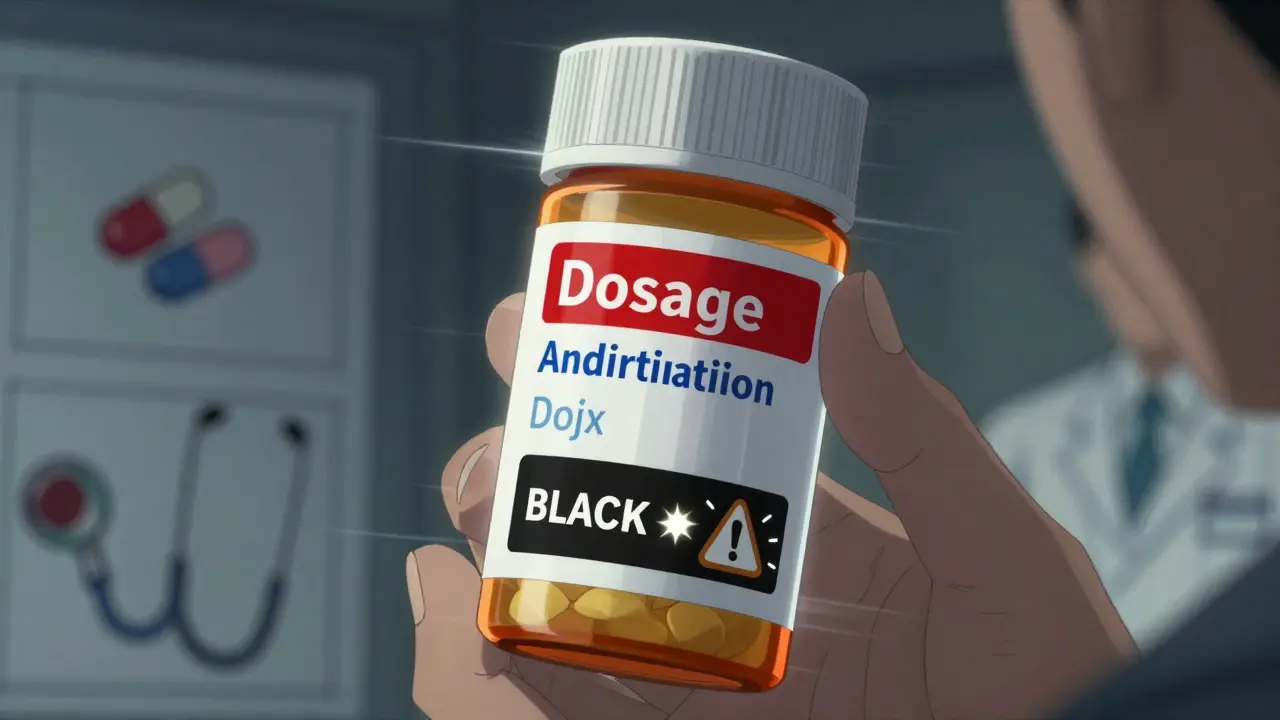
Reading a medication label might seem simple, but millions of people misinterpret it every year - and that can be dangerous. A wrong dose, a missed warning, or confusion between similar drug names can lead to serious harm. The good news? You don’t need a medical degree to understand what’s on that little piece of paper or sticker on your pill bottle. This guide breaks down every part of a prescription and over-the-counter label so you know exactly what to look for - and what to ask about.
What’s on a Prescription Drug Label?
Prescription labels follow strict rules set by the FDA. They’re designed mainly for doctors and pharmacists, but that doesn’t mean you can’t use them. The full label has three main parts: Highlights, the Table of Contents, and the Full Prescribing Information (FPI). The Highlights section gives you the most critical info at a glance - things like the drug’s purpose, dosage, and serious warnings. But here’s the catch: it’s not meant to be used alone. Think of it as a summary, not the whole story.
Down in the Full Prescribing Information, there are 17 standardized sections. The most important ones for you to understand are:
- Section 1: Indications and Usage - This tells you what the drug is approved to treat. If your doctor prescribed it for something not listed here, ask why.
- Section 2: Dosage and Administration - This is where you find how much to take, how often, and whether to take it with food or on an empty stomach. Look for phrases like “take one tablet daily” or “as needed for pain.”
- Section 4: Contraindications - These are situations where you should NOT take the drug. For example, if you have kidney disease and the label says “avoid in severe renal impairment,” you need to talk to your doctor.
- Section 5: Warnings and Precautions - This section lists risks like liver damage, allergic reactions, or interactions with alcohol. It’s long, but scan for bolded terms like “BLACK BOX WARNING” - those are the most serious alerts.
- Section 6: Adverse Reactions - This lists side effects, starting with the most common. Don’t panic if you see a long list. Most people never experience more than a few.
- Section 16: How Supplied/Storage and Handling - Check the expiration date and storage instructions. Some drugs need refrigeration; others just need to stay dry and out of sunlight.
What’s on an Over-the-Counter (OTC) Drug Label?
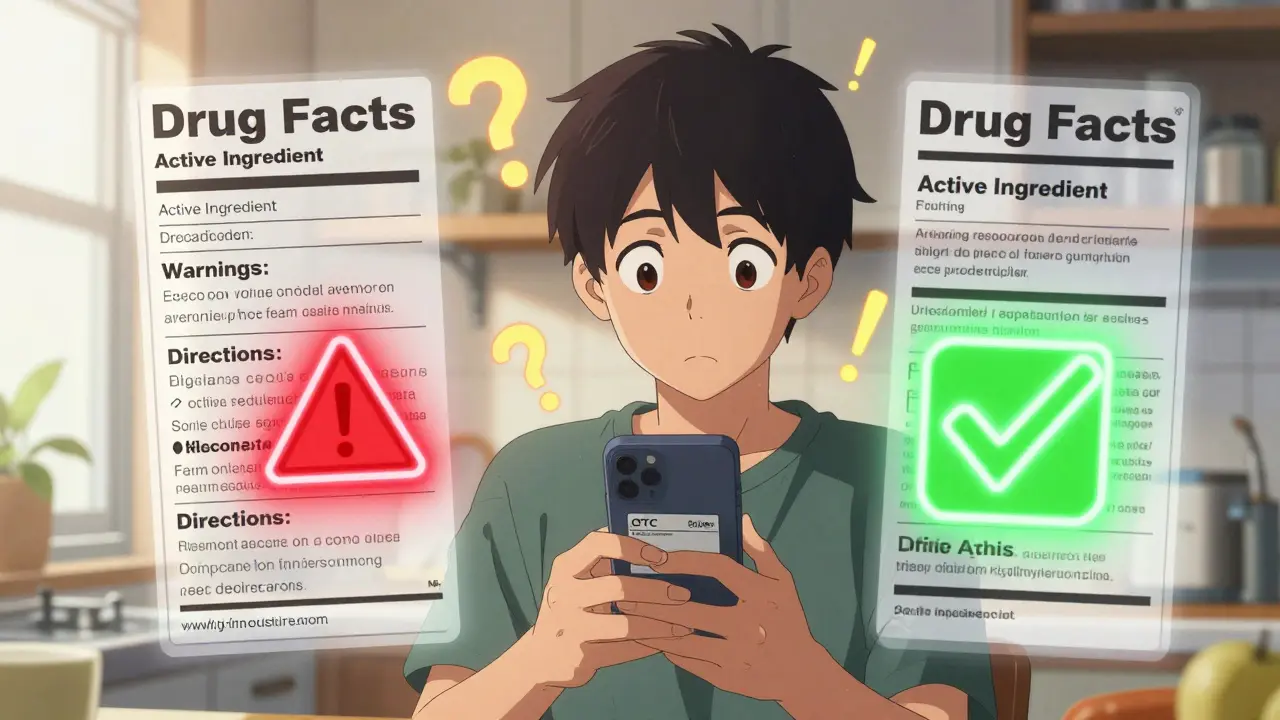
OTC labels are simpler and made for you - not a doctor. They follow the “Drug Facts” format, which is required by the FDA. Here’s what you’ll find:
- Active Ingredient - This is the medicine itself. For example, “ibuprofen” or “acetaminophen.” This is the most important part. If you’re taking multiple OTC meds, make sure you’re not doubling up on the same active ingredient.
- Purpose - What does this ingredient do? “Pain reliever,” “fever reducer,” “antihistamine.”
- Uses - What symptoms does it treat? “Relieves headache, minor aches, and fever.”
- Warnings - When NOT to use it. “Do not use if you have liver disease.” “Ask a doctor before use if you are pregnant.” “May cause drowsiness.”
- Directions - How much to take, how often, and for how long. “Adults: Take 1 tablet every 4 to 6 hours. Do not exceed 6 tablets in 24 hours.”
- Other Information - Storage tips, inactive ingredients (like dyes or fillers), and sometimes why it’s not recommended for kids under a certain age.
Key Details You Must Check Every Time
No matter if it’s prescription or OTC, these five things should be on every label - and you should verify them each time you pick up a new bottle:
- Your name - Is it spelled right? A mix-up with someone else’s medication is more common than you think.
- Drug name - Look for both the brand name (like Advil) and the generic name (ibuprofen). If you see a name you don’t recognize, ask.
- Dosage instructions - How many pills? How often? With or without food? If it says “q.d.” or “b.i.d.,” ask what that means. Abbreviations like these cause 15% of medication errors.
- Expiration date - Don’t take medicine past this date. Effectiveness drops, and some drugs can become unsafe.
- Pharmacy contact info - If you have questions, call them. Pharmacists are trained to explain labels - and they want to help.
Why So Many People Get It Wrong
A 2022 survey of 1,247 patients found that 68% had trouble understanding their prescription labels. Why? Three big reasons:
- Small print - Many labels use tiny fonts. Older adults, especially those over 65, are hit hardest. One in two Medicare beneficiaries struggle to read them.
- Medical jargon - Words like “contraindicated,” “hepatic,” or “renal” aren’t everyday terms. Even some nurses say they still have trouble finding the right info quickly.
- Similar-sounding names - Hydroxyzine vs. hydralazine. Zyrtec vs. Zyprexa. These mix-ups happen often and can be deadly. The FDA recommends “tall man lettering” (like predniSONE vs. predniSOLONE) to help, but not all labels use it yet.
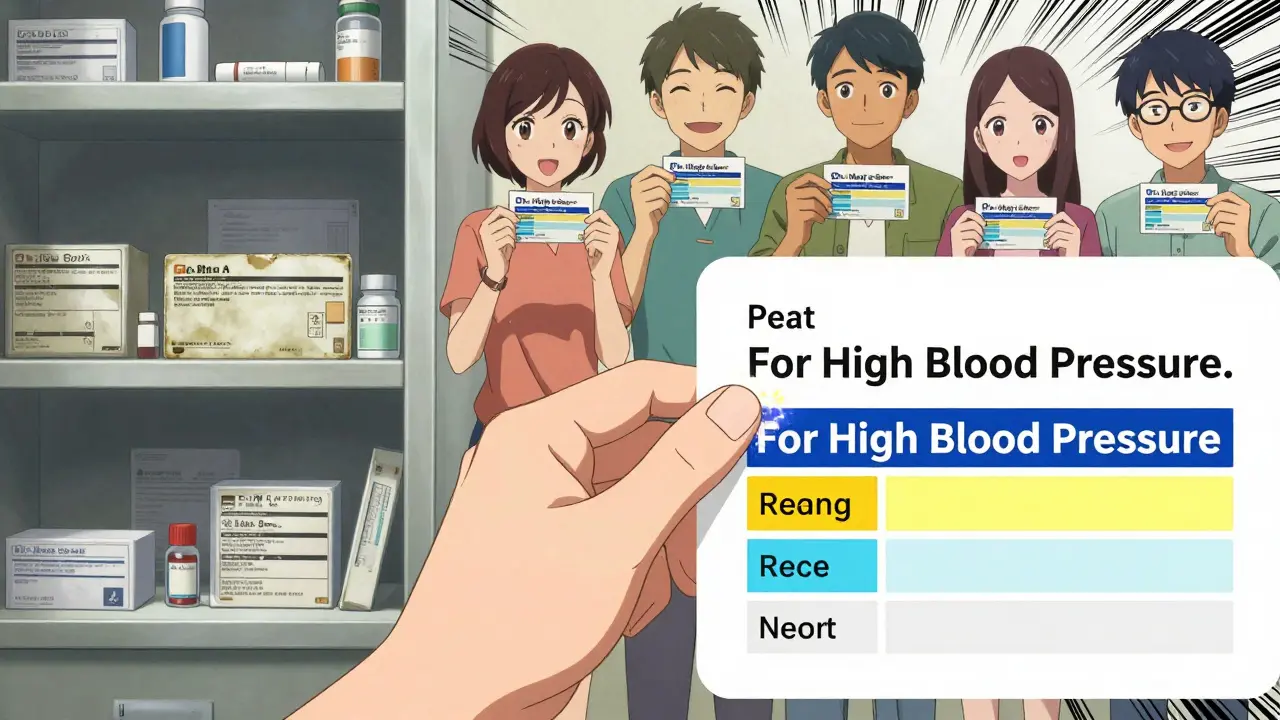
And here’s the kicker: the FDA doesn’t require labels to explain WHY you’re taking a drug. But research shows that adding the reason - like “for high blood pressure” or “for anxiety” - cuts medication errors by up to 42%. Some pharmacies are starting to do this voluntarily. If yours doesn’t, ask if they can add it.
What You Can Do Right Now
You don’t have to wait for the system to change. Here’s what you can do today to stay safe:
- Ask your pharmacist to explain the label - They’re paid to do it. A 2021 study found that when pharmacists explained labels to patients with low health literacy, medication errors dropped by 29%.
- Use a pill organizer - If you take multiple pills daily, a simple organizer with days of the week helps avoid mistakes.
- Take a photo of the label - Save it on your phone. That way, you always have it handy when you’re traveling or seeing a new doctor.
- Check for Medication Guides - The FDA requires these for high-risk drugs like opioids, blood thinners, and some cancer meds. They’re separate one-page sheets that explain risks in plain language. If you didn’t get one, ask for it.
- Look for patient-centered labels - Some independent pharmacies now use larger fonts, color-coding, and plain-language instructions. Ask if they offer them.
What’s Changing in the Future
The FDA is working on a major update called the patient medication information (PMI). By 2026, you’ll start seeing a new one-page label for high-risk drugs that follows a standard format: clear headings, simple language, and no abbreviations. It will include your reason for taking the drug, clear dosing instructions, and what to do if you miss a dose.
Biosimilars - cheaper versions of complex biologic drugs - are also growing fast. Their labels will need to clearly compare them to the original drug. This means more detailed, but also clearer, information.
For now, don’t wait. The tools to understand your meds are already here. You just need to know where to look.
What’s the difference between brand name and generic drug labels?
The active ingredient is the same, so the dosage, warnings, and directions are nearly identical. The brand name (like Lipitor) and generic name (like atorvastatin) will appear on both, but the generic label will usually list the manufacturer instead of the big pharmaceutical company. Always check the strength and form - sometimes generics come in different sizes or shapes.
Can I trust a label if it’s handwritten?
Handwritten labels are rare today because most prescriptions are electronic. If you see a handwritten label, double-check everything - especially the dosage and your name. Ask the pharmacist to confirm it matches the electronic record. Handwritten errors are one of the leading causes of medication mistakes.
What should I do if I can’t read the label?
Call your pharmacy. They can print a larger version or read it to you over the phone. Many pharmacies offer audio labels or translated versions for non-English speakers. You can also ask your doctor to write clear instructions on a separate note to keep with your pills.
Why does my label say “take with food”?
Some drugs irritate the stomach or aren’t absorbed well on an empty stomach. Taking them with food helps reduce side effects like nausea or improves how well the medicine works. If you’re not sure what counts as “food,” a small snack like crackers or toast is usually enough.
Is it okay to split pills if the label doesn’t say so?
Only if the pill has a score line (a groove down the middle) and your doctor or pharmacist says it’s safe. Some pills, like extended-release capsules or those with a special coating, shouldn’t be split - doing so can change how the drug works. Never split pills without checking first.
Next Steps: Stay in Control
Medication errors are preventable - but only if you’re paying attention. The next time you get a new prescription, take five minutes to read the label. Compare it to the one you had before. Ask your pharmacist: “Is this the same as last time?” and “What’s this for?” Keep a list of all your meds, including supplements, and update it every time something changes. You’re not just following instructions - you’re protecting your health.
Betty Kirby
February 16, 2026 AT 08:15And that bit about 'tall man lettering'? Why isn't this mandatory yet? Hydroxyzine and hydralazine sound like twins. One kills, the other cures. We're gambling with lives because of lazy typography.
Erica Banatao Darilag
February 18, 2026 AT 00:07Michael Page
February 19, 2026 AT 23:51We’re not failing because we’re stupid-we’re failing because the system was never built for us.
Josiah Demara
February 21, 2026 AT 17:54You didn’t write this for the people who need it. You wrote it for the ones who already get it. The real problem isn’t the label-it’s the arrogance of people who think they know more than the science. Stop blaming the font size. Start blaming the mindset.
Kaye Alcaraz
February 22, 2026 AT 08:18If you take one thing from this, let it be this: your health is not a guessing game. Ask. Double-check. Document. You are your own best advocate. Keep going.
Charlotte Dacre
February 23, 2026 AT 14:19Brilliant. Just brilliant.
Esha Pathak
February 23, 2026 AT 14:52Thank you for waking me up. I’m printing this out and taping it to my medicine cabinet. This isn’t just info-it’s survival.
Mike Hammer
February 24, 2026 AT 17:58My grandma couldn’t read her label. I had to call the pharmacy for her. They sent a PDF with bigger font. Took 10 minutes. No one should have to do that.
Also-yes, take a photo. I do it. Saved me when I lost my bottle in a hotel.
Daniel Dover
February 25, 2026 AT 22:32