
Unexpected Side Effects from Generic Medications: When to Seek Help
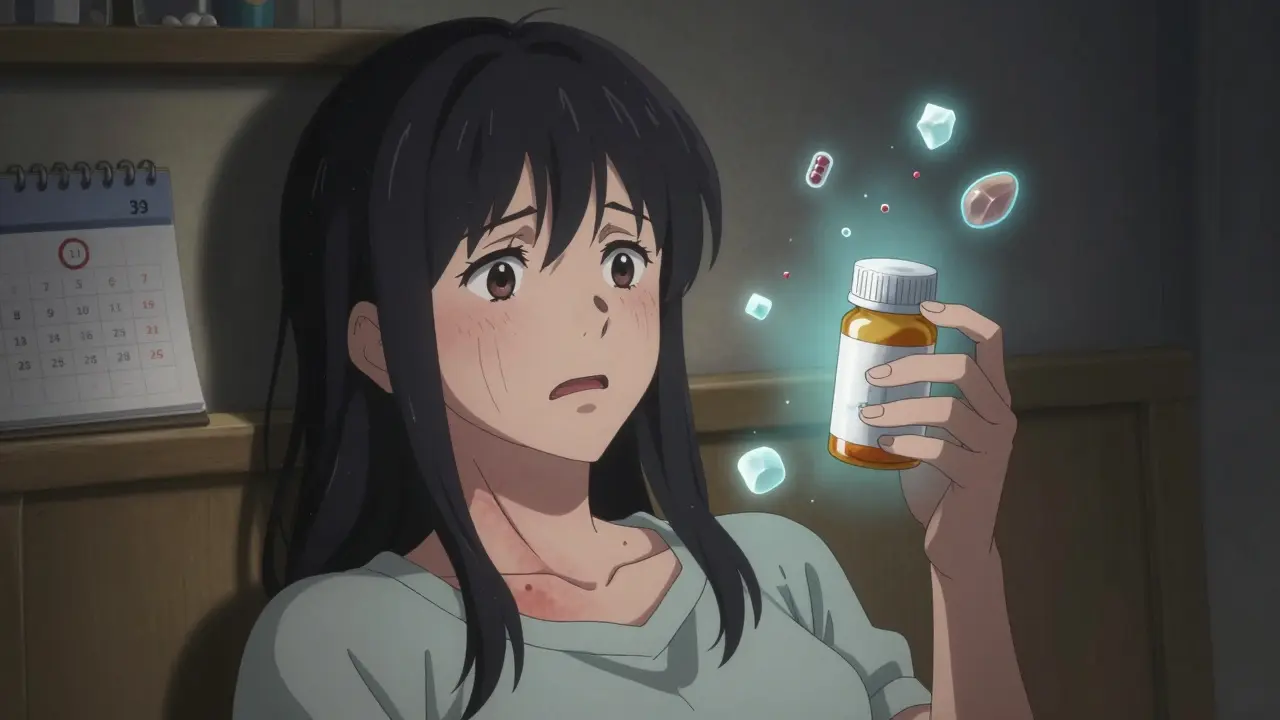
Most people assume that a generic drug is just a cheaper version of the brand-name pill - same active ingredient, same effect. And for the vast majority, that’s true. But what if your body reacts differently after switching? What if the headache, the nausea, the heart palpitations, or the rash didn’t start until you got a new bottle with a different label? You’re not imagining it. And you’re not alone.
Why Your Body Might React to a Generic
Generic drugs must contain the same active ingredient as the brand-name version, in the same strength and dosage form. That’s the law. But what’s not required to be the same? The inactive ingredients. These are the fillers, dyes, preservatives, and flavorings that hold the pill together or make it easier to swallow. They’re called excipients - and they vary wildly between manufacturers. For example, one generic version of levothyroxine might use lactose as a filler. If you’re lactose intolerant, even a tiny amount can cause bloating, diarrhea, or worse. Another version might use red dye #40 - linked in studies to headaches and hyperactivity in sensitive individuals. A generic eye drop might replace a gentle preservative with benzalkonium chloride, which can burn your eyes and cause redness. These aren’t mistakes. They’re legal differences. The FDA says generics are bioequivalent - meaning they deliver the same amount of active drug into your bloodstream within a certain range. But that range? It’s 80% to 125% of the brand-name drug. That’s a 45% swing. For most medications, that’s fine. For others - like blood thinners, thyroid pills, or seizure drugs - even a 5% change can mean the difference between control and crisis.Which Generics Are Most Likely to Cause Problems?
Not all generics are created equal. Some medications are far more sensitive to small changes than others. These are called narrow therapeutic index (NTID) drugs. That means the gap between a safe dose and a dangerous one is tiny. The FDA lists 18 of these drugs, and switching generics on any of them can be risky:- Warfarin (Coumadin): Even small changes in blood levels can lead to dangerous bleeding or clots. One study found 14.7% of patients switching to generic warfarin had unexpected bleeding events.
- Levothyroxine (Synthroid): A change in absorption can throw your thyroid levels off, causing fatigue, weight gain, or heart palpitations. Patient reports on forums show many people feel worse after switching - even if lab tests look normal.
- Phenytoin (Dilantin): Used for seizures. A slight drop in blood levels can trigger a seizure. A slight rise can cause dizziness, slurred speech, or even coma.
- Lamotrigine (Lamictal): Used for epilepsy and bipolar disorder. Switching generics has been linked to rashes that can turn into Stevens-Johnson Syndrome - a life-threatening skin reaction.
- Cyclosporine and Tacrolimus: Immunosuppressants after organ transplants. Tiny changes can lead to organ rejection.
What Side Effects Should You Worry About?
Not every new symptom means the generic is the culprit. But if you notice any of these after switching - especially within 3 to 7 days - don’t ignore them:- New or worsening skin rash: Especially if it’s painful, blistering, or spreading. This could be Stevens-Johnson Syndrome.
- Painful erection lasting more than 4 hours: Linked to antidepressants like trazodone or bupropion. This is a medical emergency.
- Severe dizziness, confusion, or tremors: Could signal a dangerous change in blood levels of seizure or psychiatric meds.
- Heart palpitations, chest pain, or rapid heartbeat: Especially if you’re on thyroid or blood pressure meds.
- Unexplained bruising or bleeding: Could mean your blood thinner is too strong.
- Severe nausea, vomiting, or diarrhea lasting more than 48 hours: Could be an excipient reaction - like gluten or artificial sweeteners.
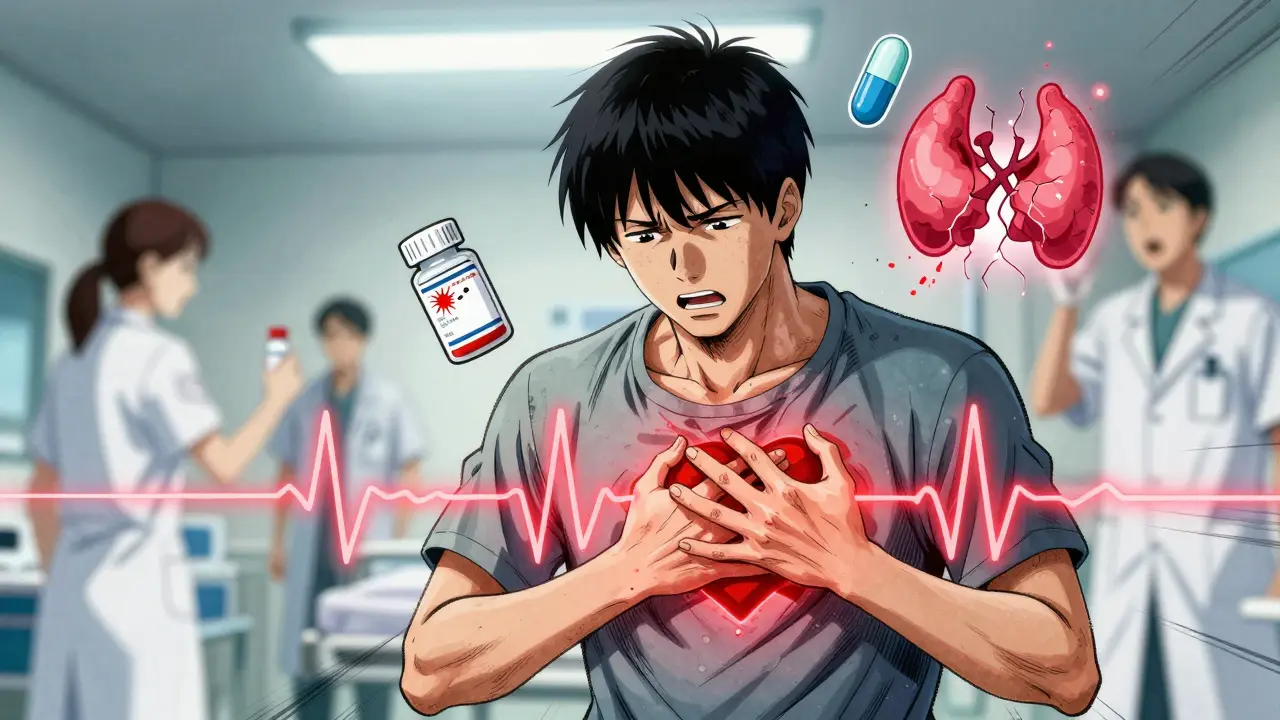
When to Call Your Doctor (Not Wait It Out)
You don’t need to panic every time you feel a little off. But here’s when to act:- Any new symptom that starts within 1-2 weeks of switching generics and lasts longer than 5 days.
- Any symptom that’s significantly worse than what you experienced on the brand-name version.
- Any side effect that interferes with your daily life - sleeping, working, driving.
- Any change in how you feel that your pharmacist or doctor dismisses as "just in your head."
What to Do If You Suspect the Generic Is the Problem
Don’t stop your medication cold. That could be dangerous. Instead:- Write it down. Note the date you switched, the name of the generic (check the bottle - manufacturer and lot number matter), and exactly what symptoms you’re having.
- Call your doctor or pharmacist. Show them your notes. Ask: "Could this be the generic?"
- Ask for the brand-name version. If your insurance won’t cover it, ask for a prior authorization. Many insurers will approve it if you’ve had a documented reaction.
- Request the same generic manufacturer. If you found one that works, ask your pharmacist to always fill your script with that brand. Keep the bottle. Take a photo of the label. Some pharmacies can track manufacturer changes.
- Report it to the FDA. Use MedWatch, the FDA’s online system for reporting adverse events. Include the manufacturer name and lot number. Your report helps catch dangerous patterns.

Why This Keeps Happening
The generic drug market is huge - over 90% of prescriptions in the U.S. are filled with generics. That’s good for costs. But it’s also driven by profit. The top five generic manufacturers now control nearly half the U.S. market. Many of the active ingredients are made overseas - in India or China - where inspections are less frequent. A 2022 government report found that 73% of active ingredients come from outside the U.S. And here’s the catch: once a generic is approved, manufacturers can change the formulation - the fillers, the coating, the binder - without telling anyone. They don’t have to notify your doctor or pharmacist. They just need to stay within the FDA’s bioequivalence range. So the pill you got last month might not be the same as the one you get this month.What’s Changing - And What You Can Do Now
In 2024, the FDA announced a new Therapeutic Equivalence Advisory Committee to focus on high-risk drugs like thyroid and seizure medications. Congress also introduced the Generic Drug Safety Act, which would require manufacturers to disclose excipient changes to prescribers. But you don’t have to wait for laws to protect you. Here’s what you can do today:- Always check the manufacturer name on your prescription bottle.
- If you’ve had a good experience with a specific generic brand, ask your pharmacist to stick with it.
- Keep a small notebook or phone note listing your meds, manufacturers, and any side effects.
- Don’t assume all generics are interchangeable - especially for NTID drugs.
- Speak up. Your voice helps improve safety for everyone.
Final Thought: You Know Your Body Best
Generic drugs save billions of dollars every year. They’re safe for most people. But medicine isn’t one-size-fits-all. If your body reacts differently after a switch, it’s not weakness - it’s biology. And you deserve care that listens.Can generic drugs really cause different side effects than brand-name drugs?
Yes. While the active ingredient must be identical, the inactive ingredients - like fillers, dyes, and preservatives - can vary between manufacturers. These can trigger reactions in sensitive individuals, such as rashes, stomach upset, or headaches. For drugs with a narrow therapeutic index - like warfarin, levothyroxine, or phenytoin - even small differences in how the drug is absorbed can lead to serious side effects.
What should I do if I think my generic medication is causing side effects?
Don’t stop taking the medication without talking to your doctor. Instead, write down your symptoms, the date you switched, and the manufacturer name on the bottle. Call your doctor or pharmacist and ask if the side effects could be linked to the generic. Request to return to your previous version - whether brand-name or a different generic. You can also report the reaction to the FDA through MedWatch.
Which generic medications are most likely to cause problems?
Drugs with a narrow therapeutic index (NTID) carry the highest risk. These include warfarin (blood thinner), levothyroxine (thyroid), phenytoin and lamotrigine (seizure medications), cyclosporine (transplant), and digoxin (heart). Even small changes in blood levels can cause serious consequences. Patient reports and studies show higher rates of side effects after switching generics in these categories.
How can I tell which manufacturer made my generic drug?
Look at the prescription label. The manufacturer’s name is usually printed on the bottle or packaging, often near the lot number. If it’s not clear, ask your pharmacist. Some pharmacies keep records of which manufacturer they use for each refill. Keeping a note or photo of each bottle helps you track consistency.
Can I ask my doctor to prescribe only brand-name drugs?
Yes. Your doctor can write "Dispense as Written" or "Do Not Substitute" on your prescription. Insurance may require prior authorization, but if you’ve had documented side effects from generics, most insurers will approve the brand-name version. This is especially important for NTID drugs.
Are generic drugs less safe because they’re made overseas?
Many generic drugs - including their active ingredients - are manufactured in countries like India and China. While the FDA inspects facilities, 73% of active ingredients come from outside the U.S., and inspection delays have been reported. Quality control is generally good, but inconsistencies can occur. This is why tracking manufacturer changes and reporting side effects matters - it helps identify potential safety issues.
Janette Martens
December 29, 2025 AT 09:49Marie-Pierre Gonzalez
December 30, 2025 AT 23:55Louis Paré
January 1, 2026 AT 06:46Teresa Marzo Lostalé
January 3, 2026 AT 00:39ANA MARIE VALENZUELA
January 4, 2026 AT 15:29Bradly Draper
January 5, 2026 AT 06:17Gran Badshah
January 5, 2026 AT 23:07Samantha Hobbs
January 7, 2026 AT 06:04Nicole Beasley
January 8, 2026 AT 13:36sonam gupta
January 9, 2026 AT 21:43Julius Hader
January 11, 2026 AT 08:27James Hilton
January 12, 2026 AT 17:41Vu L
January 14, 2026 AT 12:06