
Avila Pharma Plus - Page 4
Elderly Patients Switching to Generics: What You Need to Know About Safety, Cost, and Adherence

Elderly patients switching to generics face unique risks due to age-related changes in metabolism, polypharmacy, and medication beliefs. Learn how to ensure safety, improve adherence, and avoid dangerous side effects when making the switch.
Adolescents and Psychiatric Medications: How to Monitor for Suicidal Ideation

Adolescents on psychiatric medications need close monitoring for suicidal ideation, especially during the first weeks of treatment or when doses change. Learn how to spot warning signs, when to act, and what protocols actually work.
When to Call Poison Control vs. Emergency Services for Overdose

Learn when to call poison control versus 911 during an overdose. Clear guidelines based on symptoms, age, substance type, and medical evidence to help you act quickly and correctly.
REMS Programs Explained: How the FDA Manages High-Risk Drug Safety

REMS programs are FDA-mandated safety plans for high-risk drugs. They require prescriber certification, patient monitoring, and restricted distribution to prevent serious harm-while still allowing life-saving treatments to reach patients.
QT Prolongation: Medications That Raise Arrhythmia Risk

QT prolongation is a hidden heart rhythm danger caused by common medications. Learn which drugs raise arrhythmia risk, who's most vulnerable, and how to prevent life-threatening complications.
How to Store Emergency Kits to Maximize Medication Shelf Life

Learn how to store emergency medications properly to prevent spoilage during power outages and disasters. Get science-backed tips on temperature, humidity, vacuum sealing, and monitoring to keep pills, insulin, and epinephrine effective.
Unexpected Side Effects from Generic Medications: When to Seek Help

Generic drugs are usually safe and affordable, but unexpected side effects can happen due to differences in inactive ingredients. Learn which medications carry the highest risk and when to seek help if you feel worse after a switch.
How Drug Ads Make People Prefer Brand Names Over Cheaper Generics

Direct-to-consumer drug ads make patients believe brand-name medications are superior-even when generics are just as effective. Learn how advertising distorts perception, influences doctors, and drives up costs without improving health outcomes.
Pediatric Medication Dosing: How to Calculate Weight-Based Doses Accurately
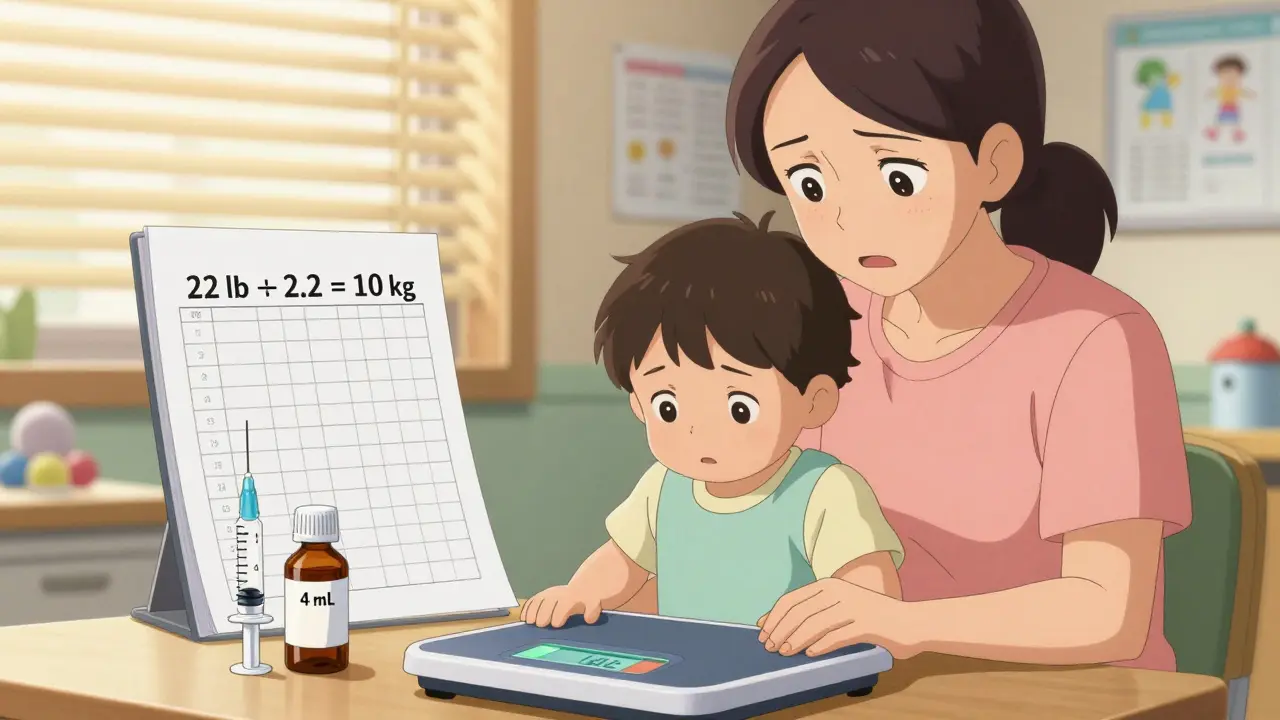
Learn how to accurately calculate pediatric medication doses using weight-based calculations in mg/kg. Avoid dangerous errors with step-by-step guidance, real-world examples, and safety tips.
How Lower Generic Drug Prices Improve Patient Adherence and Cut Healthcare Costs

Lower generic drug prices significantly improve patient adherence, reduce hospitalizations, and save billions in healthcare costs. Evidence shows that affordable medications lead to better health outcomes and fewer preventable deaths.
How to Interpret Risk vs. Benefit in FDA Safety Announcements
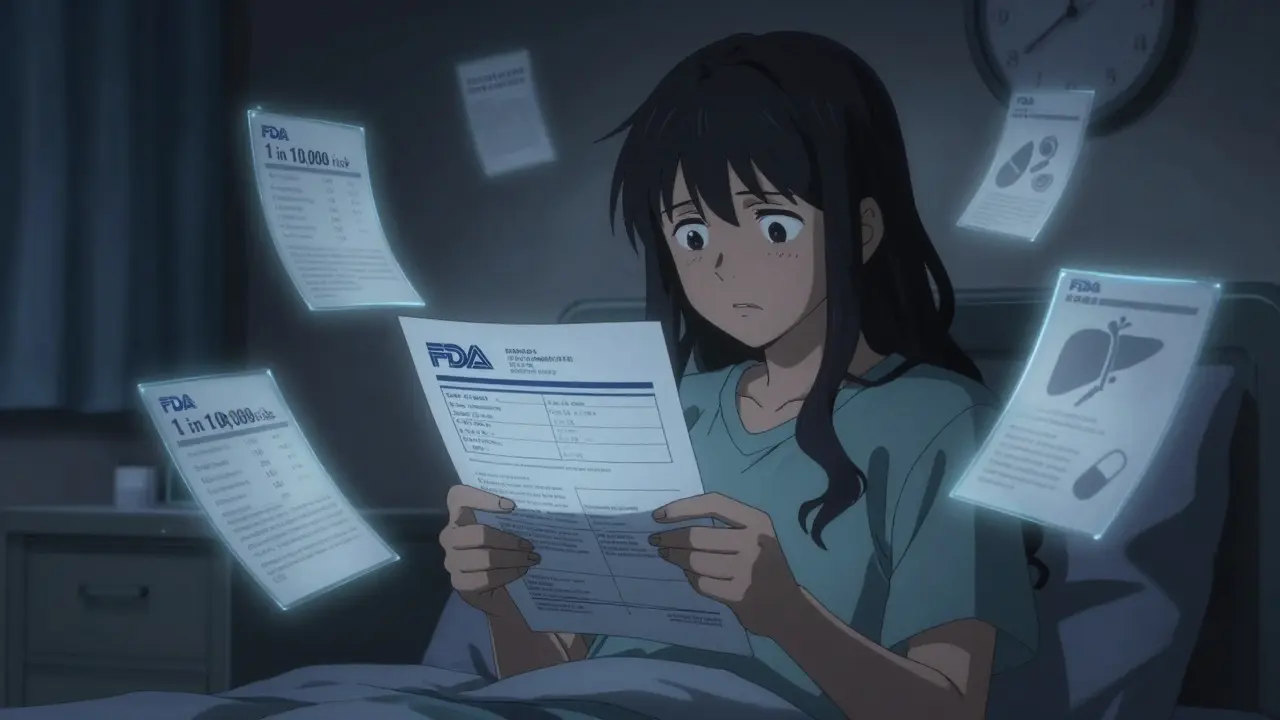
Learn how to read FDA safety announcements without panic. Understand the difference between potential signals and confirmed risks, how to assess real-world risk vs. benefit, and what steps to take when your medication is mentioned.
Pricing Pressure and Shortages in Healthcare: How Supply Chains Are Straining Costs and Access

Pricing pressure and shortages in healthcare are driving up costs and limiting access to essential medicines. Supply chain disruptions, concentrated production, and price controls are making shortages worse-impacting patients, providers, and health systems worldwide.